At a factory outside of Nairobi, the black soldier fly has created an opportunity for such an alternative. The CEO of InsectiPro, Talash Huijbers, explains the possibilities of this creature, “The black soldier fly is this tiny larvae that then turns into a fly that is able to recycle waste, and then be high value protein that replaces fish meal and soy in animal feed. And its poop is a very good organic fertilizer.”
She breaks down the process to CNN, “Our process at InsectiPro starts with the flies. The flies mate, and then they go down and they lay eggs. What we do is every day we collect the egg, we scrape off the eggs, we weigh them, and then we distribute them ready for the hatchery. The eggs will hatch and then we’ll get out to what we call five day olds. And then we’ll take the five day olds down to our processing facility.”


Laura Martinussen, an independent black solider fly expert, explains why Kenya is the perfect environment for black soldier fly (BSF) usage, “Kenya has just a very attractive climate, both economically as well as literally climate wise for BSF and similar agricultural value chains just because of the low cost that you need for climate control.”
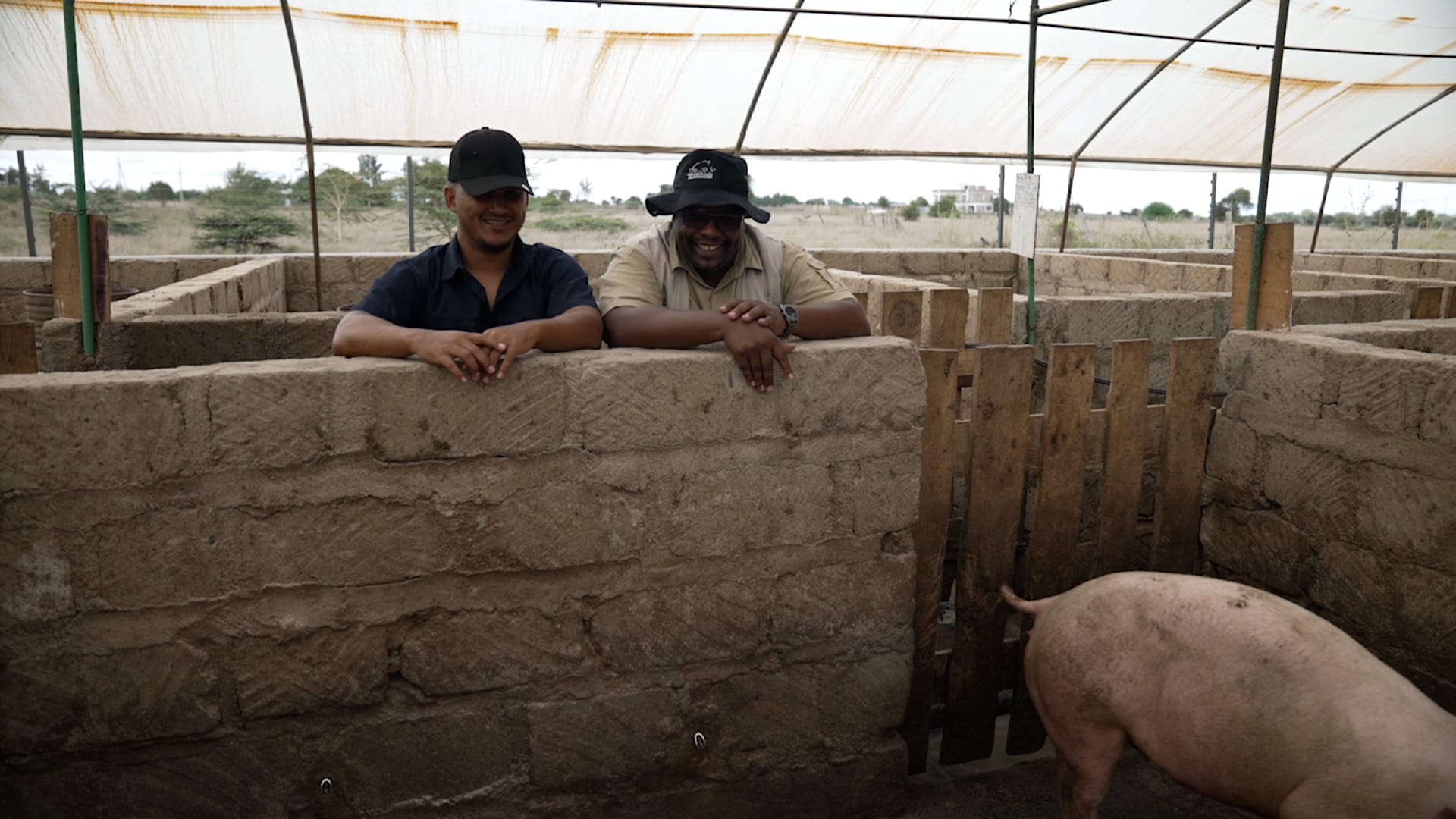
The demand for protein in Kenya is massive. Government research from 2018 to 2022 showed the country produced just 40 percent of the livestock feed it needed, with the rest having to be imported, causing uncertainty and fluctuating prices for Kenyan livestock farmers. Douglas Gichuki, the co-founder of Chalala Farm Group, shows how InsectiPro is an appealing and sustainable solution, “BSF is made from waste. So we are always going to produce waste, which means that the product is always going to be available.”
Huijbers’ solution is to move closer to the waste as part of the company’s three million dollar expansion plan. She explains this plan to CNN, “We’re now decentralizing our facility and moving part of it, or the rearing part of it where we actually grow out the BSF next to the waste producers. One of our partners that literally comes out of their factory and rolls down the hill and then we can feed it to the BSF.”
As well as livestock farming, sustainable alternatives are also needed for gas. CNN’s Zain Asher speaks to the CEO of M-Gas, a company powering millions of homes across Kenya with affordable and accessible prepaid gas, Martin Kimani.
He tells Asher what attracted him to the market of clean cooking fuels, “In Africa we have over 900 million people who have no access to cleaner fuels. They are all subjected to biomass fuels that are not just polluting, but they cause unhealthy effects into their bodies […]. We do it by making it accessible, making it affordable because those two components are the main hindrances to making sure that these populations are converting them from the pollutant fuels into cleaner fuels.”
He continues on how his business strategy specifically addresses the needs of consumers on this continent, “Pay as you go. In our view and why we have settled on that as a company is because of its sustainability. We just need to invest in the initial capital outlay. Then the households are able to sustain themselves paying on a daily basis just like they were doing previously when they were buying or when they had to buy polluting fuels. So once you overcome the initial capital outlay, the model is sustainable, the model is effective, and the households are therefore able to align themselves with that new lifestyle which is much better and much healthier.”
Currently M-Gas is in Kenya and Tanzania. Kimani explains his plans for expanding to the rest of Africa, “We have an ambitious vision of not just growing and expanding within Kenya and Tanzania, where we are already at and have understood the market and the business, but we plan in the next five years to be in six countries within Africa. Our strategy speaks of six million households within the next five years.”
This article is extracted from a recent episode of Marketplace Africa by CNN.