Friday, November 13, 2026
  • About
  • Advertise
  • Careers
  • Contact
NewsTrendsKE
  • Business
  • Deals
  • Investments
  • Real Estate
  • Economy
  • OpEds
  • Lifestyle
  • Sustainability
  • Women in Business
  • Technology
    • Phones
  • About NewsTrendsKE
No Result
View All Result
NewsTrendsKE
No Result
View All Result

Home » Technology » Kaspersky warns of a new credential-stealing campaign via Facebook

Kaspersky warns of a new credential-stealing campaign via Facebook

Queen Amber by Queen Amber
1 year ago
in Technology
Reading Time: 2 mins read
A A
Share on FacebookShare on TwitterShare on WhatsApp

The Kaspersky Global Research and Analysis Team has been monitoring a new malicious campaign that leverages a stealer, a type of malware designed to steal passwords and other sensitive account information.

The StealC v2 infostealer is being spread through Facebook messages. More than 400 incidents have been identified to date, targeting users across multiple countries, including confirmed cases in Kenya, Angola, Ethiopia, Niger, Uganda and Zambia, among other African* countries.

Also Read

More than 50% of leaked passwords end with a number, Kaspersky’s latest research reveals

11 May 2026

Over a million banking accounts compromised as financial threats move to credential theft

13 April 2026
Load More

As part of this attack, Facebook users receive messages containing a link disguised as a notification that their account has been blocked.

Clicking the link opens a fake support page claiming that the user’s account has been blocked due to suspicious activity. To “restore access,” users are prompted to use the “Appeal” button, which initiates the download of a malicious script that installs the StealC v2, a dangerous malware offered under a Malware-as-a-Service model, on the victim’s device. The malware itself steals passwords, cookies, screenshots, as well as cryptocurrency wallet data.

“Cybercriminals often exploit users’ fear of losing account access and a perceived sense of urgency. This pressure can lead individuals to act without caution, increasing the risk of infection by malware such as StealC v2. Users should remain vigilant and always verify the authenticity of messages before clicking any links,” comments Marc Rivero, lead security researcher at Kaspersky’s Global Research and Analysis Team.

StealC v2, first observed in 2025, significantly enhances the malware’s capabilities and elevates the risk to both individual and corporate users. The original StealC, which emerged in 2023 on dark web platforms, quickly became a sought-after tool among cybercriminals thanks to its accessibility, capabilities and ease of access.

To be protected from phishing, Kaspersky recommends corporate and individual users:

  • Practice caution when clicking links. Sometimes emails and websites look just like real ones. It depends on how well the criminals did their homework. But the hyperlinks, most likely, will be incorrect, with spelling mistakes, or they can redirect you to a different place.
  • Look out for urgency or threats. Phishing attempts frequently try to create a sense of urgency or fear. Be cautious of emails demanding immediate action, such as changing a password or providing personal information.
  • Verify unsolicited messages, calls, or links, even if they appear legitimate. Never share 2FA codes.

Tags: FacebookKaspersky
Previous Post

Safaricom Admits to Releasing Student’s Data Without Court Order, Court Hears

Next Post

World’s Largest Civilian Hospital Ship Global Mercy Launches Third Mission in Sierra Leone with First Successful Surgery

Related Posts

Technology

More than 50% of leaked passwords end with a number, Kaspersky’s latest research reveals

11 May 2026
Technology

Over a million banking accounts compromised as financial threats move to credential theft

13 April 2026
Health

World Health Day: Kaspersky Flags Rising Cyber Risks in Telemedicine and Digital Healthcare

7 April 2026
Zoho Artificial Intelligence
Technology

Tips for updating your digital habits for an AI-driven world

25 March 2026
Kenya seal

Kenya’s Public Seal Custody Moves from Attorney General to Head of Public Service

21 May 2025
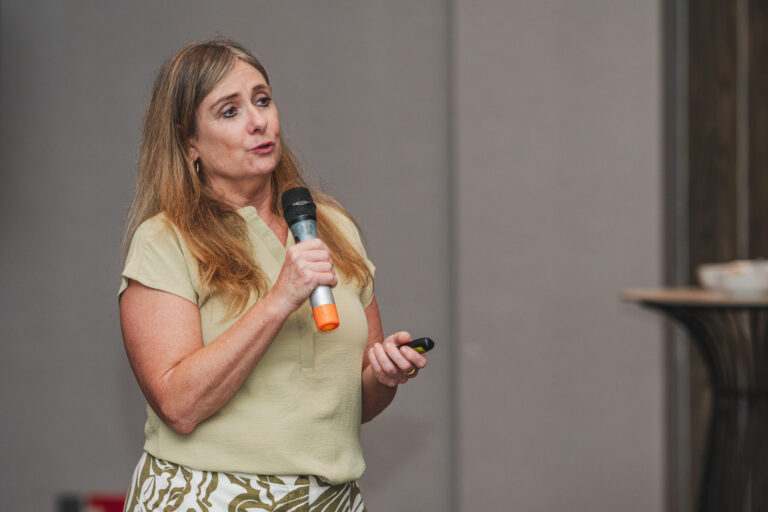
Nikki Germany, CEO of Moringa during Moringa’s Partners Appreciation Event on 24 September 2026, Nairobi Kenya

Nikki Germany: When Big Tech restructures, where does Kenya’s tech talent go next?

12 November 2026
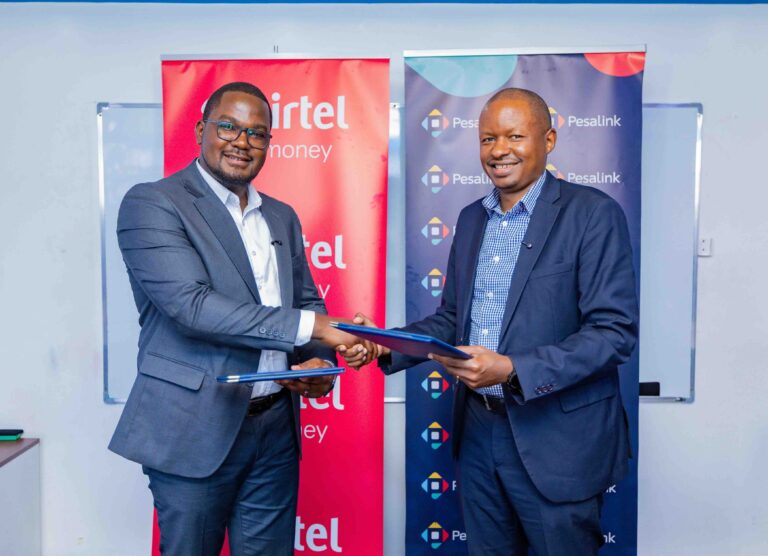
Airtel Money Kenya Ag. MD Michael Bonke and Integrated Payment Systems Limited CEO Gituku Kirika during a partnership signing to expand digital payment options for Airtel Money customers to 30 financial institutions through Pesalink integration

Airtel Money Users Can Now Send Money Directly to 30 Banks and SACCOs Through Pesalink

12 November 2026

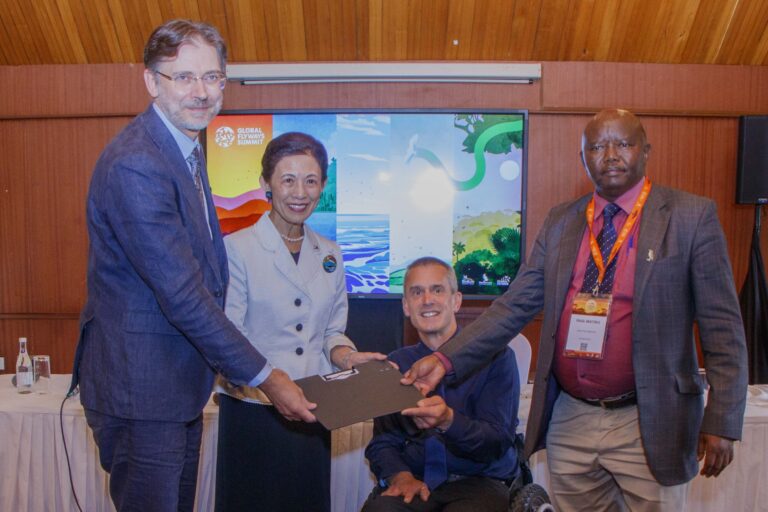
Multi-sector stakeholders convene in Nairobi, commit to financing habitat conservation as migratory bird species decline 45%

13 September 2026
NewsTrendsKE with APO News Updates

South Africa: Portfolio Committee on Agriculture Elects Ms Nomasonto Motaung as Chairperson

25 August 2026

Cofek Loses Stanbic Yetu Festival Case After Evidence Fails to Show Up

17 September 2026
NewsTrendsKE

NewsTrendsKE

NewsTrendsKE: the business intelligence read for Kenya's decision-makers.

Follow us on social media:

  • About
  • Advertise
  • Careers
  • Contact

©2026 NewsTrendsKE.

No Result
View All Result
  • Business
  • Deals
  • Investments
  • Real Estate
  • Economy
  • OpEds
  • Lifestyle
  • Sustainability
  • Women in Business
  • Technology
    • Phones
  • About NewsTrendsKE

©2026 NewsTrendsKE.

Go to mobile version