Kenya’s private sector business conditions deteriorated sharply in May as new orders and output fell at faster rates, while cost pressures rose to their highest level in two-and-a-half years, according to the latest Stanbic Bank Kenya Purchasing Managers’ Index.
The headline PMI dropped to 46.6 in May from 49.4 in April, remaining below the 50.0 mark that separates growth from contraction. The reading signalled the steepest decline in private sector operating conditions since July 2024.


Firms reported weaker customer demand, tighter client budgets and rising inflationary pressures, which weighed on new business. New orders fell for the third consecutive month and at the fastest pace since mid-2025. Output also declined more sharply, with companies linking the fall to weak demand and reduced inflows of new work.
The downturn was most evident in construction and services, where both output and new orders contracted. Manufacturing was the only monitored sector to record growth in production.
Employment also weakened, with private sector firms cutting staff numbers for the first time since the start of 2025. The decline was modest and mainly reflected reductions in temporary contract workers. Backlogs of work fell for a third month, indicating spare capacity across businesses.
Cost pressures intensified during the month. Overall input price inflation accelerated to its strongest level since November 2023, driven mainly by higher purchase costs. Businesses cited rising food, fuel and transport costs, with some respondents also pointing to geopolitical pressures affecting prices.
To protect margins, firms raised selling prices at the fastest rate in 30 months. Output charges increased across all five monitored sectors, with wholesale and retail businesses recording the steepest hikes.
Purchasing activity also declined for the first time in eight months as companies responded to weaker sales, cash flow concerns and higher operating costs. Inventories were broadly unchanged, while supplier delivery times continued to improve, partly due to lower input demand.
Despite the weaker business environment, firms became more optimistic about the year ahead. Business confidence rose to its highest level since February 2023, supported by plans for increased advertising, product diversification, entry into new markets and expansion of online operations.
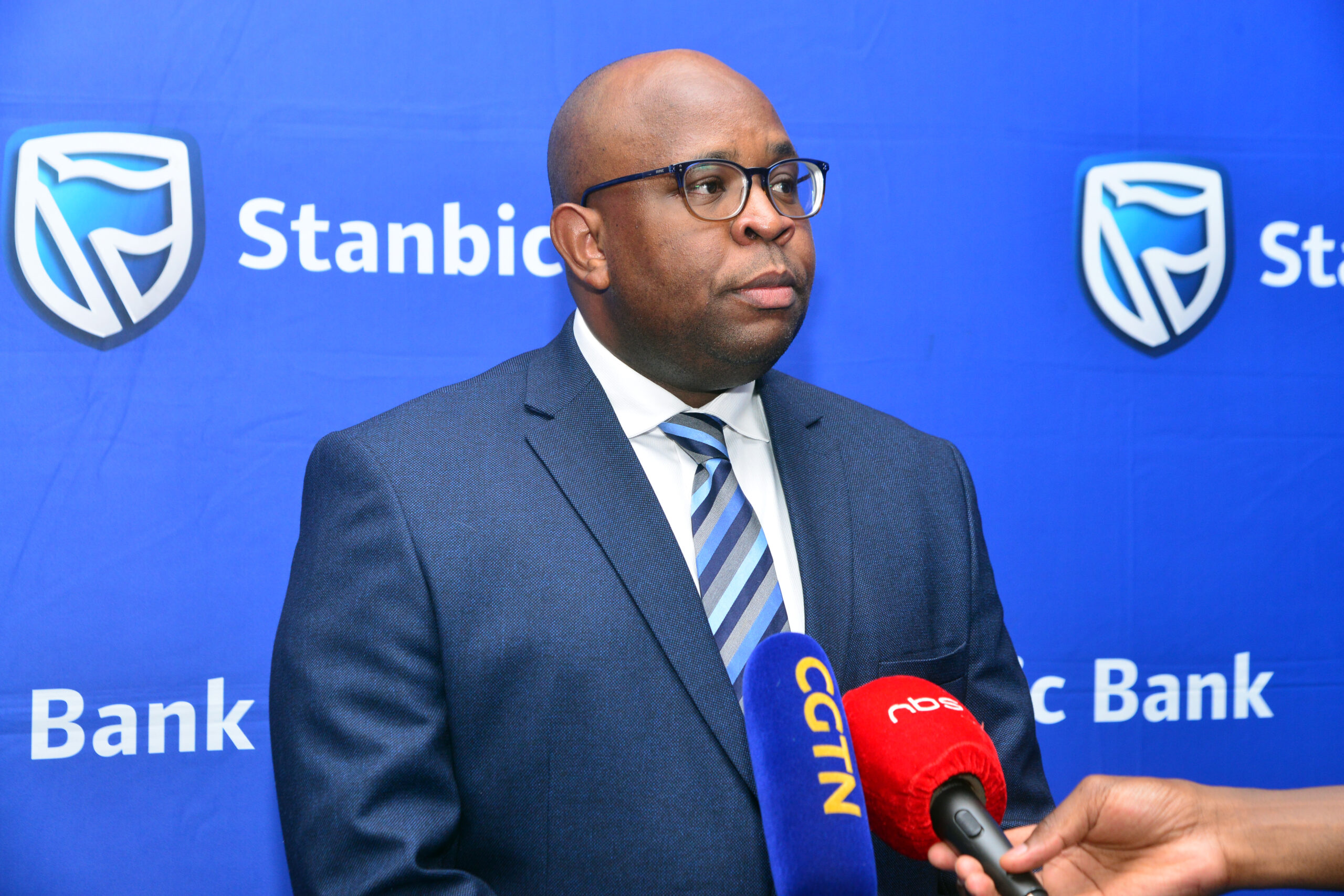
Christopher Legilisho, Economist at Standard Bank, said the May PMI data reflected a deterioration in private sector activity, with weakening sales, cash flow concerns and rising costs weighing on inventory purchases. He noted that consumer resistance to spending, alongside higher costs, contributed to contractions in new orders and output.
Legilisho added that inflationary pressures had intensified, driven by higher fuel and transportation costs, but said firms remained optimistic about future conditions despite subdued business momentum.
The Stanbic Bank Kenya PMI is compiled by S&P Global from responses to questionnaires sent to purchasing managers at around 400 private sector companies. Data for the latest survey were collected between May 12 and May 27, 2026.