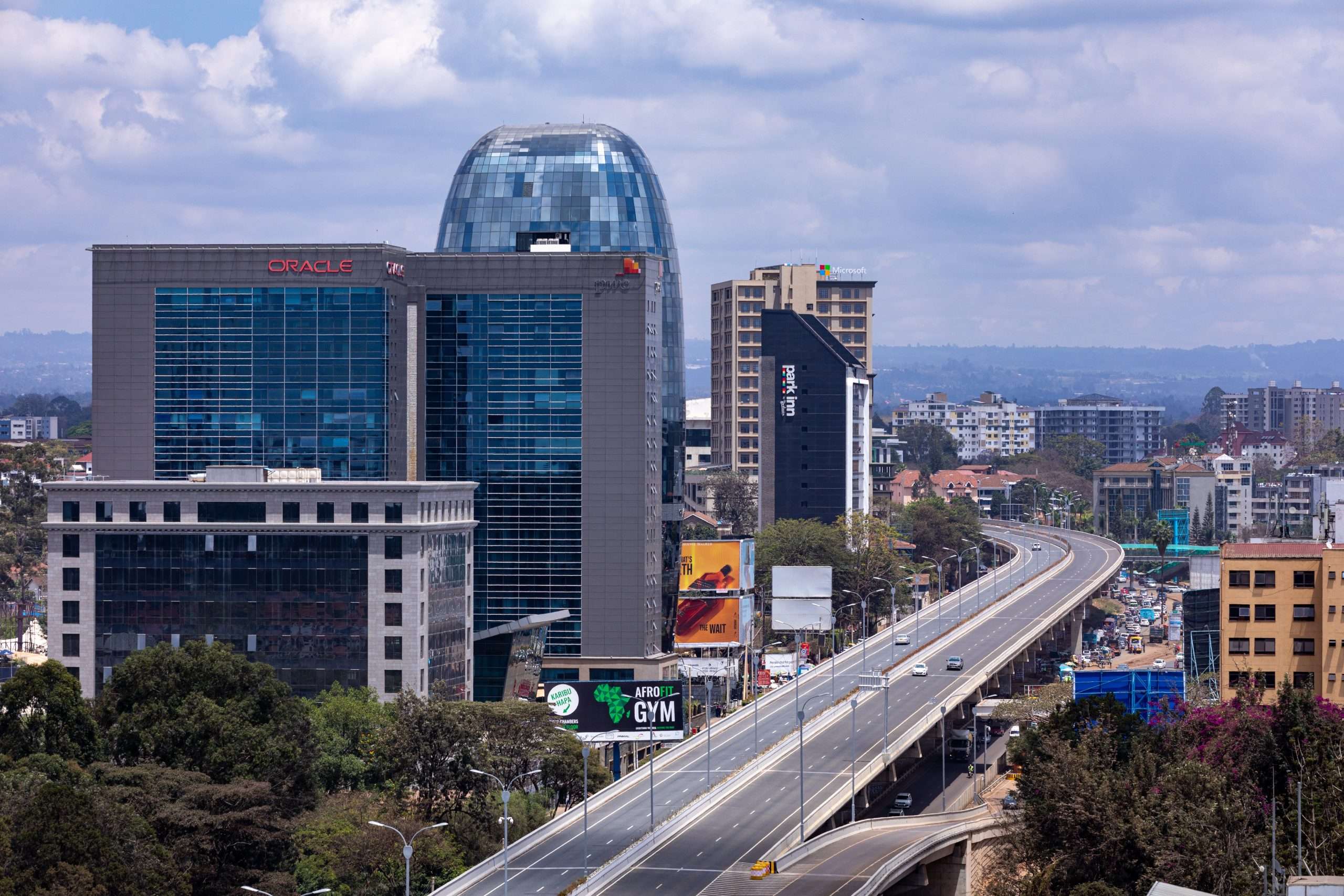
Property sale prices in Nairobi grew by 3.75 percent in the second quarter of 2025, marking the fastest quarterly growth in a year and a half, according to the latest HassConsult Property Index. This sharp uptick, up from 2.45 percent in the first quarter, was driven primarily by increased demand and limited supply of detached houses.
Detached homes—mainly townhouses and villas—recorded a significant 5 percent increase in prices over the quarter, outpacing semi-detached units (1.3 percent) and apartments (1.1 percent). This represents the fastest growth rate for detached homes in nine years.


“There is a general lack of supply of detached houses leading to the increased prices,” said Sakina Hassanali, Co-CEO and Creative Director at HassConsult. “This is most evident in high-end suburbs such as Muthaiga, Karen, and Runda, which are dominated by standalone properties.”
Muthaiga posted the highest quarterly price growth among suburbs at 3.5 percent, followed by Karen (2.5 percent), Runda (2.2 percent), and Nyari (2.1 percent). In Nairobi’s satellite towns, Juja and Ongata Rongai led the pack with 2.9 and 2.7 percent increases respectively.
On an annual basis, overall property prices rose by 7.8 percent, with detached houses appreciating by 10.9 percent—making them an increasingly attractive investment compared to government Treasury bills, which have dipped to 8.1–9.7 percent returns from a high of 16 percent a year ago.
In contrast, the rental market remained subdued. Overall rents fell by 0.2 percent in the second quarter, following a 0.3 percent rise in Q1. Landlords are holding off on rent increases to maintain occupancy in a market characterised by economic uncertainty, stagnant wages, and job losses.
“Houses recorded a fall of 1.3 percent in asking rents, pulling down the sector average, despite apartment rents rising by 2.4 percent,” Ms. Hassanali added.
Apartments in Mlolongo saw the steepest quarterly rental rise at 4.4 percent, while Upper Hill apartments registered the sharpest drop at 4.6 percent. On an annual scale, Kitengela’s housing market stood out with a 15.1 percent price increase, while Westlands apartments saw the largest decline at 12.5 percent.
Despite these varied trends, property values remain significantly higher compared to the long-term average. The average property value has risen from KES 7.1 million in 2000 to KES 39.1 million in June 2025. For 4–6 bedroom units, the current average stands at KES 42.2 million, while 1–3 bedroom units average KES 12.9 million.
Overall, the report highlights the growing divergence between sales and rental markets and the enduring demand for standalone homes in Nairobi’s increasingly vertical urban landscape.