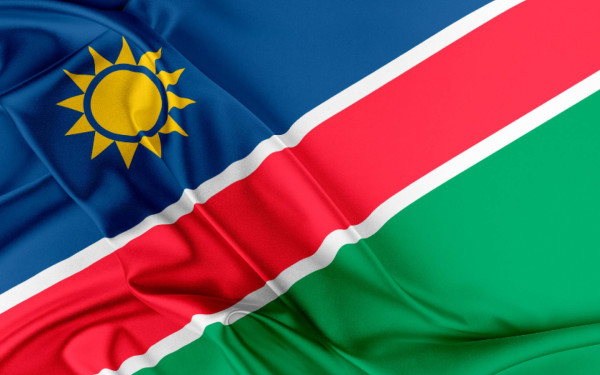

In a strategic move for the industry, Namibia’s cabinet has approved the National Upstream Local Content Policy. The progressive policy is set to play a crucial role in reducing the nation’s dependency on foreign expertise by focusing on the development of local capacity. Aimed at strengthening economic sovereignty and empowering Namibians within the country’s oil and gas industry, the policy marks a turning point for the country as it targets first oil production by 2029.


The African Energy Chamber (AEC) – serving as the voice of the African energy sector – commends the Namibian government’s proactive stance on local content and its dedication to empowering local communities while maintaining a welcoming environment for foreign investment. It is clear that the policy is designed to balance the interests of local stakeholders with the needs of international oil companies, a model that other African nations can look to for guidance.
Namibia is preparing to start oil production from the Venus and Graff discoveries by 2029, with the Mopane field potentially bringing this production timeline much closer. Since 2022, the country has made a string of major discoveries in the Orange Basin. These include Graff-1X, Venus-1X, Jonker-1X, Lesedi-1X and Mopane-1X, among others. International energy companies including TotalEnergies, Shell and Galp Energias are leading the charge, with Galp recently spudding the Mopane-1A well as part of a four-well appraisal campaign. Work is ongoing to finalize timelines for Final Investment Decision (FID) and production, with FID for Venus-1X and Graff-1X is expected by the end of 2024, reinforcing the country’s growing oil potential.
With this recent surge, the government has recognized the urgency of maximizing the involvement of local businesses, labor and resources in the nation’s oil and gas sector. The National Upstream Petroleum Local Content Policy aims to create a globally competitive supply chain while promoting sustainable development, energy independence and technological expertise within the country.
This policy addresses the unique challenges faced by Namibia’s upstream petroleum sector, which is capital-intensive, technologically driven and reliant on high-risk investments over long periods. Traditionally, such a sector tends to have a low level of local employment and a heavy reliance on imported goods and services. To counteract this, the policy is designed to ensure that Namibian businesses and workers are fully integrated into the petroleum value chain, from exploration and production to service delivery and technology provision.
One of the key features of the policy is its alignment with Namibia’s broader development frameworks, such as the National Development Plan, the Harambee Prosperity Plan and Vision 2030. These strategies underscore the goal of an industrialized economy driven by Namibians, where local expertise and resources play a central role. Through this policy, Namibia aims to encourage the participation of local companies in procurement, manufacturing and service provision, ultimately ensuring that the benefits of the country’s oil and gas wealth remain within its borders.
As part of the initiative, oil operators will be required to submit detailed ‘Local Content Plans’ when applying for exploration and production licenses. These plans will outline the operators’ commitments to hiring local labor, engaging local businesses for goods and services and investing in the training and development of Namibian workers. The Ministry of Mines and Energy will oversee compliance and enforcement, ensuring that the policy’s objectives are met and that Namibian participation in the oil and gas industry is maximized.
The policy also emphasizes the importance of a stable and transparent regulatory environment, which will provide clarity to investors and operators while fostering an atmosphere of trust and cooperation. By ensuring that local content requirements are clear and enforceable, the policy aims to attract responsible investment that benefits both the oil companies and the Namibian people.
“With first oil production set to begin by 2029 and discoveries already exceeding 11 billion barrels, the implementation of this policy is essential,” says NJ Ayuk, Executive Chairman of the AEC. “It’s a powerful example for the rest of Africa of how to leverage oil and gas discoveries to fuel long-term development, job creation and economic growth. As the policy moves towards implementation, the focus on local content, job creation and economic diversification is a testament to Namibia’s vision of becoming a key player in Africa’s energy sector, with its people at the heart of this transformation.”
Distributed by APO Group on behalf of African Energy Chamber.