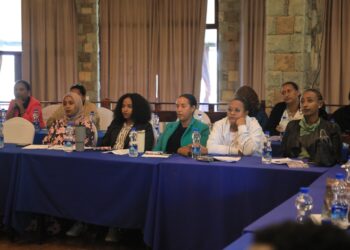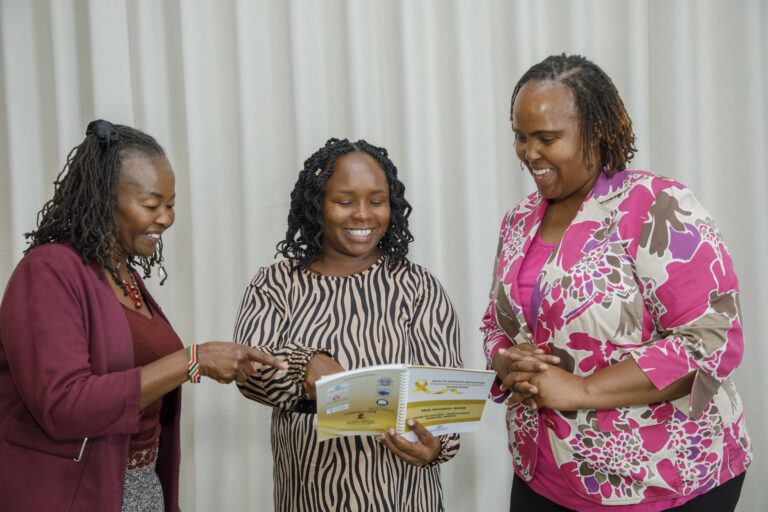
In the competitive African agribusiness sector, smaller Agri-SMEs run and owned by women frequently face disproportionate disruptions to their operations.
The pivotal roles played by women across the agriculture value chain, coupled with Africa’s burgeoning number of women entrepreneurs, underscore the urgency for targeted support to fortify their enterprises against the challenges they face.


Women make up more than 50% of Africa’s population and 80% of them reside in rural areas. Over 60% are employed in rural areas in the agriculture sector. Given the limited capacity of other sectors to absorb the growing labor force, agriculture will remain important for employment and livelihoods for the foreseeable future for young people in both farming and related activities.
With Africa predicted to be home to 25% of the world’s population by 2050, African agriculture and food systems MUST be inclusive with women and young ppl being at the forefront of our future solutions. AGRA’s mission is to fill in the gaps by supporting the inclusive transformation of the ecosystem.
A shining example of this mission is the African Resilience and Investment Series for Women Executives (ARISE) program. ARISE, which was created to give women in agribusiness the tools they need to secure money and negotiate the complex post-pandemic financial landscape, is evidence of Africa’s dedication to women’s empowerment and gender equality. ARISE’s training courses are carefully designed to equip entrepreneurs with the necessary information and abilities to succeed in the dynamic business world.
Moreover, ARISE doesn’t merely scratch the surface; it delves deep into bridging the gaps between the internal workings of Agri-MSMEs and the expectations of private investors. By addressing crucial aspects such as the vision and mindset of business leaders, management skills, financial reporting processes, and understanding investors’ expectations, ARISE ensures that women-led enterprises are well-positioned for success.
The program’s approach extends beyond traditional training methods, incorporating innovative strategies to boost engagement and empower participants. From hosting tailored seminars to address the diverse needs of MSMEs navigating financing complexities, to enhancing understanding of business development services and bolstering the self-esteem of women executives. ARISE leaves no stone unturned in its quest to level the playing field for women in agribusiness.
However, navigating the path to empowerment is not without its challenges. Despite drawing significant registration numbers, ARISE grapples with the issue of securing active participation, particularly in virtual training sessions. This underscores the complexities inherent in engaging MSMEs in remote learning environments and emphasizes the need for ongoing adaptation and innovation to overcome these barriers.
As ARISE continues to evolve and refine its approach, it remains essential to stay attuned to the evolving needs of its members. Conducting thorough assessments and needs analyses enables ARISE to tailor its responses effectively, ensuring that women entrepreneurs receive the support they need to thrive in a rapidly changing business landscape.
ARISE is poised to make even greater strides in empowering women-led MSMEs, particularly those with growth-oriented models. By expanding offerings such as the Gender-Smart Executives program, ARISE aims to propel these businesses forward, driving engagement, registration, and creating additional value in the process.
As ARISE reaffirms its commitment to guiding women-led MSMEs towards a future defined by prosperity and possibility, it underscores Africa’s unwavering spirit in the face of adversity.
Through resilience, innovation, and collaboration, the enhanced ARISE Program illuminates’ pathways towards a more sustainable and inclusive agribusiness sector, where women’s empowerment is not just a goal but a reality for all.
By Fahreen Chudasama, Director Development Cooperation