The Portfolio Committee on Basic Education today received a detailed progress report on infrastructure in terms of the Accelerated School Infrastructure Delivery Initiative (ASIDI) and the Sanitation Appropriate For Education Iniative (SAFE).

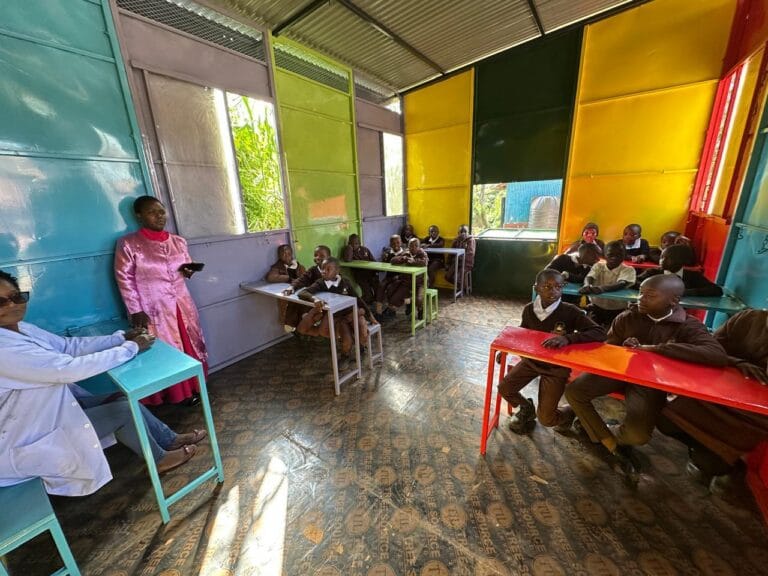
The committee heard that ASIDI focuses on providing appropriate school buildings for schools that previously were made of entirely inappropriate materials, appropriate water supply to schools with no water, appropriate sanitation at schools with no toilets and appropriate electricity supply to schools with no electricity supply. SAFE on the other hand focusses on appropriate sanitation at schools dependent on basic pit toilets.
The Department of Basic Education (DBE) informed the committee that it is estimated that in 1996 there were about 1,000 schools made entirely of inappropriate materials. In 2011, there were initially 510 schools on the ASIDI programme. This number decreased to 332 and of the 332 schools made entirely of inappropriate materials, 330 were replaced. Replacement of the two remaining schools is scheduled for completion in the 2023/24 financial year.
According to the DBE, in 2006 a total of 8 823 schools were recorded with no water supply. In 2011, there were initially 1 117 schools on the ASIDI programme and this number increased to 1 306. The committee heard that of the 1 306 water supply projects, 1 292 were completed and the remaining 14 water supply projects are scheduled for completion in the 2023/24 financial year.
Regarding electricity supply, the committee heard that it was recorded that 15 263 schools were with no electricity supply. In 2011, there were initially 902 schools on the ASIDI programme. This number decreased to 373 and all of the 373 electricity supply projects had been completed.
The committee further heard that in 2006 a total of 3 265 schools were recorded with no toilets. In 2011, there were initially 701 schools on the ASIDI programme. This number increased to 1 087 and all of them have been replaced.
According to the Schools Register of Needs (SRN) in 2006, it was recorded that 9 600 schools depended on basic pit toilets. In 2018, there were initially 3 898 schools on the SAFE programme. This number decreased to 3 395 and of this, 2 728 have been completed. The remaining 667 sanitation projects are scheduled for completion in the 2023/24 financial year.
Committee Chairperson, Ms Bongiwe Mbinqo-Gigaba, said the committee noted and welcomes the improvements regarding maintenance in schools. The committee further appreciated the close monitoring by DBE regarding implementation.
Ms Mbinqo-Gigaba said: “We note that this has taken much longer than many of us would have wanted. We are, however, cognisant of the financial restictions in addressing all these issues at once, finances that the DBE does not have at its disposal due to other challenges in the country. We will continue to monitor the progress with both projects.”
Distributed by APO Group on behalf of Republic of South Africa: The Parliament.