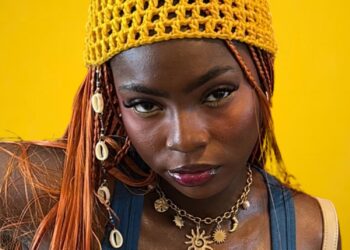
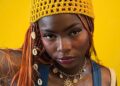
Spotify has named Nigerian singer, songwriter and producer Ṣẹwà as its EQUAL Africa Artist for November. Known for her distinctive sound, Ṣẹwà blends Afro-soul, jazz, blues and R&B with rich live instrumentation and deeply personal storytelling.
The EQUAL Africa programme celebrates, supports and amplifies women artists across the continent, connecting their music with global audiences. Ṣẹwà’s recognition reflects her journey of creative independence and self-discovery, with her featured single, Lése, offering a glimpse into her artistry. Written while sitting on a pile of unfolded laundry in her studio apartment and self-produced, the track explores heartbreak and emotional vulnerability, pairing introspective lyrics with rock-influenced drums and jazz textures.

Reflecting the physical and emotional distance between Nigeria and Canada, Lése was brought to life through remote collaborations with musicians across Lagos, New York, Dubai, Canada and Australia. The result is a rich, layered arrangement that captures the energy and feel of a live band.
Ṣẹwà’s musical journey has been shaped by determination and creative independence. A largely self-taught multi-instrumentalist and producer, she first picked up the guitar during a difficult period of recovery following an experience that took her father, a musician and conga player who helped shape her household’s musical foundation. After learning to play Asa’s Bamidele on guitar, music gradually became more than a source of personal solace, evolving into a creative calling rooted in healing and emotional honesty.
Inspired by a diverse range of African musical influences, from Asa, Beautiful Nubia, Brenda Fassie and Fatoumata Diawara to King Sunny Adé, Lagbaja and Pasuma, Ṣẹwà crafts songs around intricate arrangements and lived experiences, exploring themes of grief, healing, love and personal growth.
Phiona Okumu, Head of Music for Sub-Saharan Africa at Spotify, says: “Ṣẹwà is an exciting artist with a clear sense of who she is and what she wants her music to sound like. From teaching herself multiple instruments to collaborating with artists from around the world, she has shown an impressive level of creativity and independence. Her music has a way of connecting with people, and we’re pleased to be supporting her and bringing more attention to her work.”
Speaking on her selection and navigating the music industry as a woman, Ṣẹwà shared: “Navigating the music industry as a woman has taught me to trust my own vision, be firm in what I believe in, and keep creating space for myself even when it isn’t readily given to me. I’ve learned that talent and hard work are important, but so is having the opportunity to be seen and heard. Being part of the EQUAL programme is an opportunity to share my music with a wider audience and be part of a movement that recognises the contributions of women in music. I hope I can help make the path a little easier for the women coming after me, so they know their voices deserve to be heard.”
We sat down with Sewa to learn more about her and her music:
1. What is that one surprising thing that fans might not know about you?
A lot of people know me as a singer, but I also produce my own music and play multiple
instruments. I’m largely self-taught, so a lot of my journey has been about figuring things out for
myself, experimenting, and learning as I go. That side of me always surprises people.
2. When did you realise that making music was in your destiny, and what is your WHY for pursuing this craft?
I actually started learning guitar when I thought I was going to die, while coming to terms with the loss of my dad. Learning guitar was on my bucket list, and I never imagined it would lead me here. I remember learning Asa’s Bamidele on guitar, and somehow, that experience gave me a sense of hope during a really difficult time in my life. Music has become a way for me to express myself, process life, and connect with people. My reason for creating music is to make music that people can feel and find pieces of themselves in. Music has been there for me through some of my hardest moments, and I hope my music can offer someone else that same comfort, hope, or feeling of being understood.
3. Which African songs or artists did you grow up listening to?
Honestly, I didn’t really love music growing up. My dad was the music lover in the family, and I used to think he was always making noise with all the songs he was showing us. He played the congas too, so he was a musician himself. It’s funny because look at me now. When I eventually found my own love for music, I started listening to artists like Asa, Magic System, Fatoumata Diawara, Santrofi, Brenda Fassie, Beautiful Nubia, Lagbaja and Ego, Omawumi, Waje, King Sunny Adé, King Wasiu Ayinde and Pasuma.
4. To someone who has never heard your music, how would you describe the sound, tone, and style?
I’d describe my sound as Afro-soul, but I pull from a lot of different places, from jazz, R&B and blues to Nigerian music. I love big bands and complex arrangements, bringing different instruments and sounds together to create something that feels full and layered. I write about real-life experiences, so a lot of my music touches on love, heartbreak, grief, healing and figuring life out. I don’t like to box myself in too much because I make music based on what I’m feeling and what I want to express at the time. More than anything, I want people to listen to my music and think, “Wow, I know exactly what that feels like.”
5. Any advice for someone dreading following their dreams?
It’s okay to be scared. I know it’s cliché, but sometimes being scared just means you care about
what you’re trying to do. Just remember why you started, and make sure it’s something you
believe in enough that when things don’t go your way, you don’t lose sight of why you’re doing
It. Things won’t always work out the way you imagined, and there will be moments when you
question yourself, but that’s okay. You don’t have to have it all figured out before you start. It’s
okay to be scared, really. Just start.
6. How do you navigate the music space as a woman artist and how does your unique perspective shape your artistry?
Sometimes, I honestly forget that I’m navigating this space as a woman because I’m so focused on the music I’m making and the ideas I want to bring to life. But then I’m reminded by the way I’m treated
and the questions people ask me, like whether music will affect my future family or if I’ll eventually give it up. Someone once even asked me when I’d be stopping my “hobby.” It’s also hard to ignore how few women make the lists when people talk about the biggest artists where I’m from. These things remind me that I can’t completely separate my experience as an artist from the reality of being a woman in this industry. I just want to make the music I hear in my head and build the career I want for myself.
7. Please share a quote about your experience navigating the male-dominated world of music and what being a part of the EQUAL programme means to you.
Navigating the music industry as a woman has taught me to trust my own vision, be firm in what
I believe in, and keep creating space for myself even when it isn’t readily given to me. I’ve learned that talent and hard work are important, but so is having the opportunity to be seen and heard. Being part of the EQUAL programme is an opportunity to share my music with a wider audience and be part of a movement that recognises the contributions of women in music. I hope I can help make the path a little easier for the women coming after me, so they can focus on creating, knowing that their voices deserve to be heard.
8. This month, we’re highlighting your track, “Lése”. What themes or messages do you explore with the track?
“Lése” is a heartbreak song about loving someone who hurt me and losing parts of myself trying to be the person they wanted me to be. The opening line, ‘I’ve been sitting on my own thinking about you from the other side,’ refers to someone I loved when I was still in Nigeria. Now that I’m based in Canada, the “other side” speaks to the distance between us, both physically and emotionally. There’s also a line about having to become another version of myself just to please this person.
“Lése” started with a guitar progression while I was sitting on a pile of unfolded laundry in my studio apartment. I remember writing it and having a feeling that it was going to be a beautiful song. I produced it myself, and sonically, it brings together elements of jazz, Afro-soul, and a bit of rock, which you can hear especially in the drum pattern. What’s interesting is that, even though the subject matter is quite heavy, it’s a really fun listen. I love music that feels live, and I want people to hear my songs and feel like they’re right there watching me perform. I worked remotely with musicians across Lagos, Dubai, New York, Canada, and Australia to bring the arrangement to life. I’m proud of how it came together, especially how the song carries a painful story while still making you want to move to it.