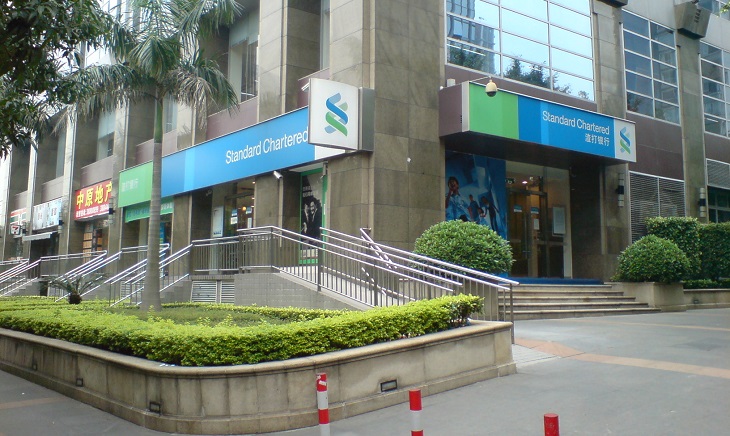
Standard Chartered Bank Kenya’s net profit fell 17% to Sh6.73 billion in the six months ended June 2026, weighed down by lower net interest income.
The lender’s profit before tax declined 12% to Sh9.59 billion from Sh10.90 billion in the corresponding period last year, according to financial results released on Wednesday.


Total operating income decreased 9% to Sh20.14 billion. Net interest income dropped 20% to Sh12.27 billion as benefits from higher business volumes were offset by lower rates and narrower margins.
Non-interest income, however, rose 16% to Sh7.87 billion, supported by the performance of the bank’s wealth business and increased foreign-exchange transaction volumes.
Operating expenses remained broadly unchanged at Sh10.05 billion, compared with Sh10.01 billion a year earlier, reflecting cost controls and efficiency measures.
Standard Chartered also recorded an improvement in credit performance, with loan impairment charges falling 57% to Sh508 million from Sh1.18 billion.
The board declared an interim dividend of Sh8.50 per ordinary share. Shareholders registered by the close of business on September 10, 2026, will receive the payment on or around September 24.
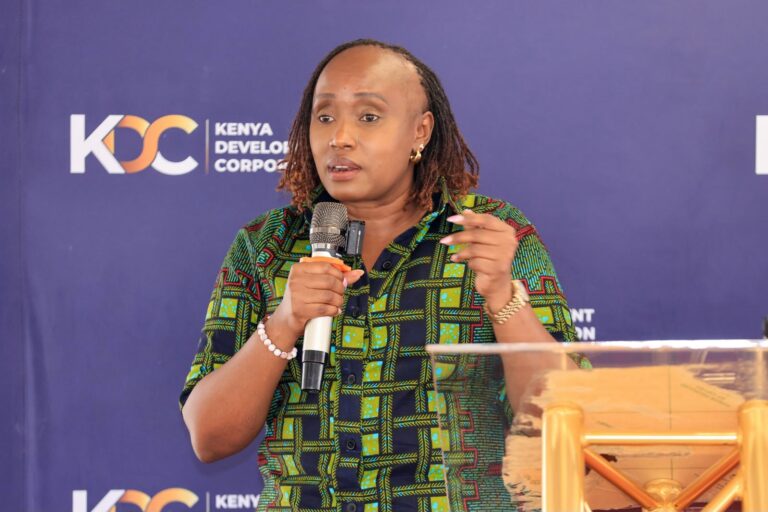
“Our capital remains strong,” managing director and chief executive Birju Sanghrajka said.
Loans and customer deposits rise
The bank’s balance sheet expanded 15% from December 2025, driven by growth in customer assets and deposits.
Net loans and advances increased 10% to Sh169.17 billion, supported by transaction banking and wealth solutions. Customer deposits rose 9% to Sh309.11 billion, mainly due to higher corporate deposits.
Current and savings accounts represented 95% of total customer deposits, while the loan-to-deposit ratio edged up to 55% from 54% at the end of 2025.
The non-performing loan ratio improved by 0.4 percentage points to 5%, indicating better asset quality.
Assets under management grew 13% from December to Sh343 billion as the bank continued to expand its wealth-management business.
Standard Chartered closed the period with a total capital ratio of 18.2%, above the statutory minimum of 14.5%. Its liquidity ratio stood at 67.3%, significantly higher than the 20% regulatory threshold.
The bank said Kenya’s economic environment remained supported by low inflation, a stable currency and declining interest rates. It nevertheless warned that geopolitical tensions, volatile energy markets and rapid technological change continued to create uncertainty globally.