In the heart of Southern Africa, Malawi has taken a bold step in the fight against polio. After reporting its first case of Wild Poliovirus Type 1 (WPV1) after 30 years in 2022, the country responded with urgency and resolve. By May 2024, thanks to multiple vaccination campaigns, vigilant surveillance and strengthened immunization systems, Malawi was declared polio-free once again. But the journey didn’t end there.


With the looming threat of circulating Vaccine-Derived Poliovirus Type 2 (cVDPV2) from neighboring countries, Malawi recognized the need to boost its population’s immunity. Backed by GAVI, The Vaccine Alliance funding and guided by the Malawi Immunization Technical Advisory Group (MAITAG), the Ministry of Health introduced the second dose of the Inactivated Polio Vaccine (IPV2) into the national immunization schedule in December 2024.
This milestone was more than a policy shift—it was a nationwide movement:
-
Over 187,348 eligible children better protected from Polio following vaccination with 2nd Dose of IPV as of April 2025
-
17,000 health workers were trained across all districts.
-
IPV2 was rolled out in every health facility, including outreach posts in remote areas.
-
Community engagement efforts flourished, with local leaders and health workers leading sensitization campaigns.
-
Data management tools and systems were updated to incorporate the new vaccine
In Karonga District, which borders Tanzania and faces high cross-border transmission risk, the rollout was seamless. Health workers reported no challenges, and community members welcomed the new dose with open arms.
Mr. Kayuni, an area supervisor with over 20 years of experience in immunization programming within the district, discussed the introduction of IPV2, which aims to enhance protection against the type 2 poliovirus. He noted that due to the anticipated benefits of IPV2, efforts had been increased in community awareness regarding the new dose to reduce vaccine hesitancy for improved coverage.
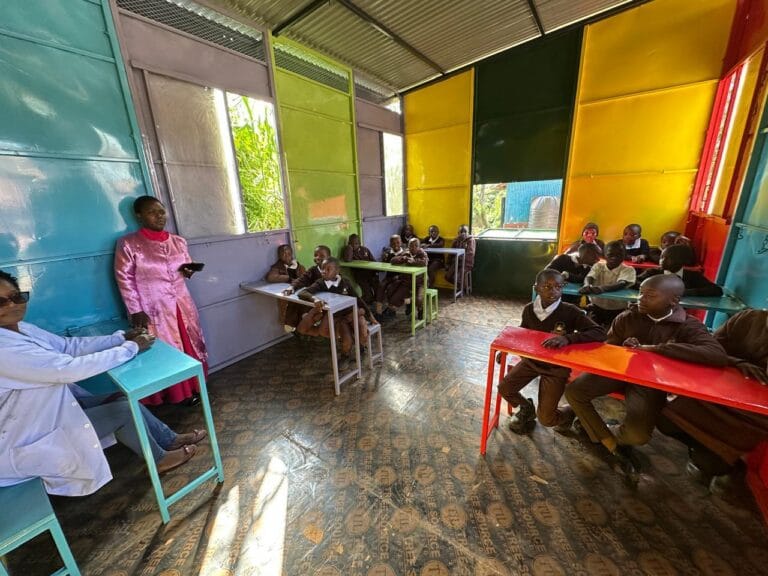
At the Mlongoti outreach post, a structure built by the community demonstrates their support for the health system and immunization program. Suzgika Gondwe, a local mother, expressed her understanding that this dose reduces the risk of polio for her child. Another caregiver, Gift Ngofi, mentioned that she believed in the benefits of the additional dose because the information came from their community health workers. Temwa Kaula supported her community members’ opinions, noting no expected harm beyond typical vaccine side effects from the new dose. All three caregivers discussed the overall importance of vaccines, observing fewer illness episodes for their children, decreased hospital visits, and increased time for income-generating activities.
This success story is not just about a new vaccine—it’s about resilience, trust, and community-driven health progress. With continued support and vigilance, Malawi is not only protecting its children today but also securing a polio-free future for generations to come.
Distributed by APO Group on behalf of World Health Organization (WHO) – Malawi.