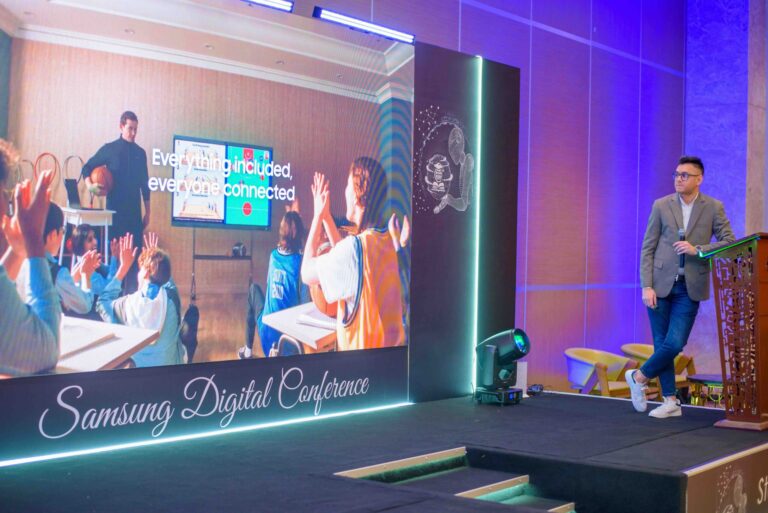
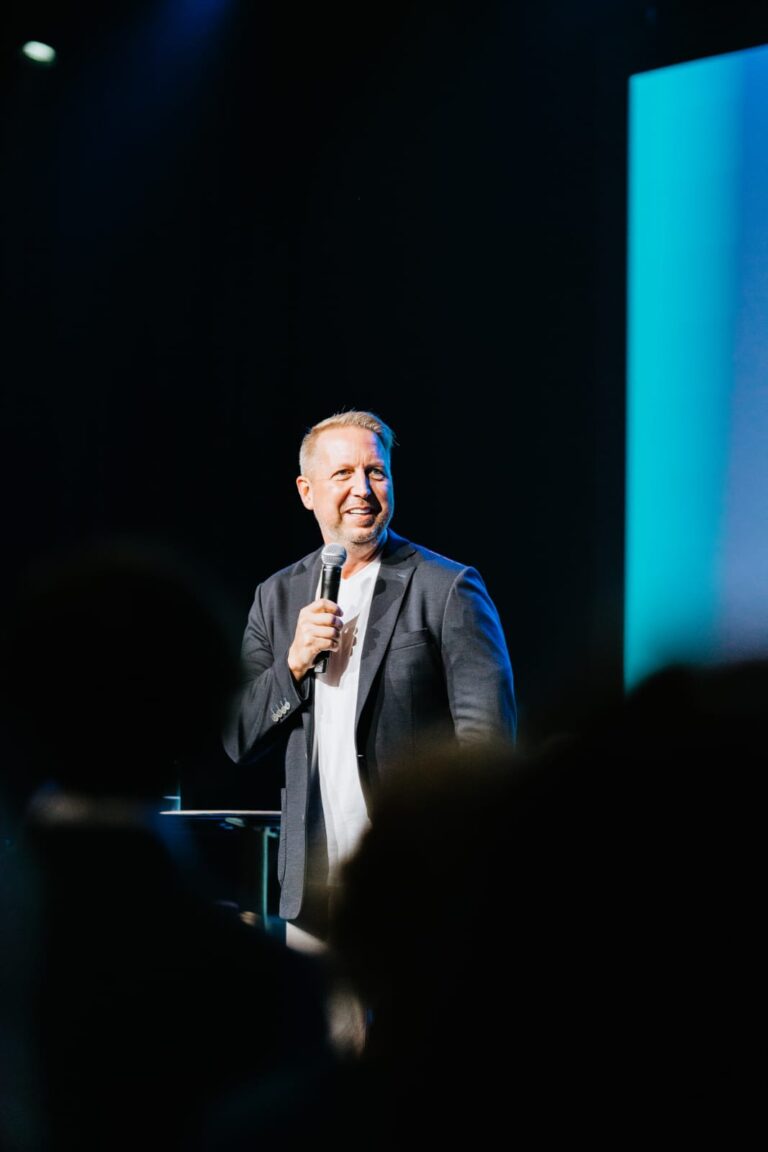
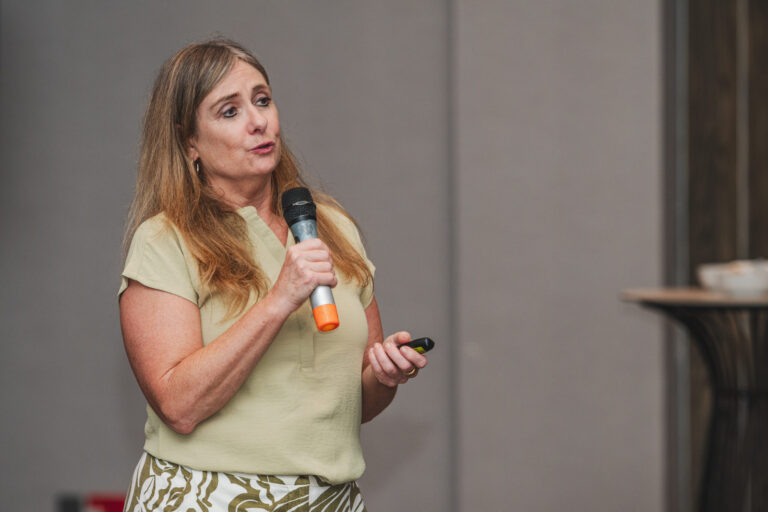
On August 14, 2024, a landmark step towards reviving Africa’s leather industry was taken with the signing of a Memorandum of Understanding (MoU) between the African Union InterAfrican Bureau for Animal Resources (AU-IBAR) and the African Leather and Leather Products Institute (ALLPI). The partnership, formalized during a ceremony at Nairobi’s Sarit Expo Centre, marks a critical advancement for the continent’s leather sector. This MoU follows the validation of the COMESA Leather Value Chain Strategy for 2025-2029, which seeks to tackle the key challenges faced by the leather industry in the region. The MoU aims to establish a solid foundation for coordinated efforts to enhance the sector, aligning closely with the goals of the strategy.


Supporting Value Chain Development and Livestock Strategy Implementation
The collaboration between AU-IBAR and ALLPI is a testament to their shared commitment to strengthening Africa’s leather value chain, which is integral to the broader Livestock Development Strategy for Africa (LiDeSA). By addressing gaps and promoting best practices across the value chain—from livestock production to finished leather products—the MoU is designed to foster growth, innovation, and sustainability in the sector. This alignment is crucial for realizing the objectives of LiDeSA, which include enhancing productivity, market access, and value addition within the livestock sector, thereby increasing incomes for smallholder farmers and contributing to the continent’s socioeconomic development.
The cooperation is outlined in the MoU in many areas, such as the development of animal health, the promotion of sustainable practices within the leather sector, and the adoption of current technologies in leather processing. The leather value chain, from the farm to the completed product, is something that ALLPI and AU-IBAR are dedicated to improving through joint activities.
Programme of the Signing Ceremony
The signing ceremony featured remarks from key stakeholders and the official signing of the MoU. Attendees included Dr. Huyam Salih, Director of AU-IBAR, Mr. Nicholas Mudungwe, Director of ALLPI, representatives of COMESA Member States, the African Regional Standards Organisation, development partners, media representatives, and distinguished guests.
Addressing delegates, Mr. Nicholas Mudungwe, Director of ALLPI, noted that the alliance represents a significant step forward in our efforts to enhance the quality and competitiveness of African leather products. He noted: “By combining our expertise and resources with those of AU-IBAR, we can address critical issues such as animal health, the quality of hides and skins, and sustainable production practices.”
In her address, Dr. Huyam Salih highlighted the MoU’s significance for Africa’s leather industry and its potential to drive value chain development. She emphasized that despite Africa’s abundant livestock resources, the continent’s share of the global leather market remains low. Strategic interventions are necessary to enhance competitiveness and sustainability within the sector.
“Our objectives are clear: to elevate product quality, broaden market access, and foster innovation and entrepreneurial development within the leather sector. By leveraging our collective expertise and resources, we can transform these challenges into opportunities for growth and resilience in Africa,” Dr. Salih stated.
She also called on development partners to support the initiatives arising from this collaboration, underscoring the importance of financial, technical, and knowledge-sharing contributions.
The signing of the MoU is a pivotal step in unlocking the full potential of Africa’s leather industry, with a strong focus on value chain development, innovation, and sustainability. It represents a significant milestone in the implementation of the Livestock Development Strategy for Africa (LiDeSA) and aligns with key African Union policies and initiatives such as the African Continental Free Trade Area (AfCFTA), Agenda 2063, and the Comprehensive Africa Agriculture Development Programme (CAADP).
This strategic alliance is expected to enhance the global competitiveness of African leather products, foster sustainable industrialization, and increase income for smallholder farmers. Moreover, it supports the AU’s broader goals of industrialization, economic diversification, and social inclusion, with a particular emphasis on innovation, entrepreneurial development, and gender equality. The MoU is anticipated to make a substantial contribution to Africa’s long-term development objectives, particularly in the context of advancing the continent’s livestock and leather value chains.
Distributed by APO Group on behalf of The African Union – Interafrican Bureau for Animal Resources (AU-IBAR).