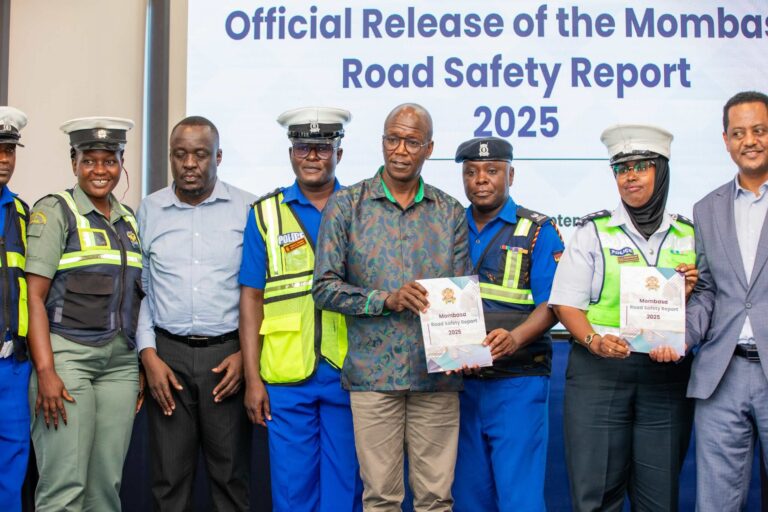
Mental health experts, policymakers, civil society organizations and partners from more than twenty African countries, meeting for the first-ever mental health intercountry meeting, have called for stronger, coordinated action to close critical gaps in mental health services in the region.


Organized by the World Health Organization Regional Office for Africa, with support from the Wellcome Trust, the meeting highlighted critical gaps in mental health systems and the challenges that limit access to mental health services. Participating countries committed to strengthening integrated, people-centred care, while aligning national priorities with regional and global targets.
Close to 150 million people in Africa are living with mental health, neurological and substance use related conditions, with limited access to integrated care. Despite growing recognition of mental health as a public health priority, services remain under-resourced, fragmented and often inaccessible, particularly in rural and underserved settings. Currently, only seven countries have implemented comprehensive mental health services at the primary health care level, and just 16 have dedicated mental health budget lines. Government spending averages less than US$0.07 per capita in the Region, far below what is required to meet rising needs and build resilient systems.
The mental health intercountry meeting, which concluded today for East and Southern African countries, provided a collaborative platform for countries to assess progress, identify challenges and realign national strategies with regional and global priorities in the bid to strengthen mental health systems and advance mental health care, accelerating progress towards the 2030 regional mental health targets. It also represents an important milestone in regional preparations for the 7th Global Ministerial Mental Health Summit scheduled for early 2027.
“African countries continue to face an immense burden from mental health conditions,” said Dr Benido Impouma, Director of Health Promotion, Disease Prevention and Control, WHO African Region. “We must invest in mental health with sustained resources. With the support of partners, WHO is committed to advancing the regional mental health strategy and ensuring that people living with mental health conditions receive the care and dignity they deserve.
Participants reflected on ways to strengthen mental health information systems, integrate mental health into primary health care, expand community-based services and enhance multisectoral collaboration.
“When mental health needs are neglected, health outcomes worsen, treatment adherence declines, disability increases and families and communities suffer. This is why the World Health Organization has consistently reminded us that there is no health without mental health. South Africa remains committed to strengthening mental health services as an integral component of universal health coverage through primary health care. Our policies and legislation promote the integration of mental health services within general health care services at community, primary health care facility and hospital levels’, said South African Health Minister, Dr Aaron Motsoaledi.
Minister Motsoaledi added that strengthening mental health systems in the region requires a coordinated approach that centers people, evidence and community involvement.
Based on the rapid mental health landscape analyses developed by countries prior to the meeting, participants began drafting national mental health roadmaps outlining priority actions toward the 2030 targets as part of meeting procedures. These roadmaps will guide efforts to expand access to care, improve the availability of essential medicines, enhance suicide prevention and strengthen preparedness for mental health and psychosocial support (MHPSS) in emergencies.
Experts at the meeting also built momentum around fighting discrimination and stigma and working meaningfully with people with lived experience, through shared experiences and peer learning, countries identified common challenges, exchanged innovative practices and explored new opportunities to strengthen national and regional coordination — key steps in building more resilient and equitable mental health systems.
“In mental health, our ambition is simple: to support earlier and equitable access to effective care, guided by science and shaped by local context,” said Paul Spencer Head of Mental Health Policy at Wellcome Trust. “We are committed to working in partnership with governments and institutions across Africa toward common goals, such as those set out in the regional framework.
The next intercountry meeting, focusing on West and Central African countries, will take place from 15-18 July 2026 in Lome, Togo, continuing the momentum and expanding regional collaboration.
Distributed by APO Group on behalf of World Health Organization (WHO) – South Africa.