Monday, July 27, 2026
  • About
  • Advertise
  • Careers
  • Contact
NewsTrendsKE
  • Business
    • Deals
  • OpEds
  • Sustainability
  • Women in Business
  • Lifestyle
  • Featured
  • Technology
    • Phones
  • Sports
  • World
  • Contact Us
No Result
View All Result
NewsTrendsKE
No Result
View All Result

Home » Deal » Alternate Opportunities for Taxi Drivers in Kenya: Lessons from Uber and Lyft Drivers in US

Alternate Opportunities for Taxi Drivers in Kenya: Lessons from Uber and Lyft Drivers in US

Queen Amber by Queen Amber
3 years ago
in Deal
Reading Time: 2 mins read
A A
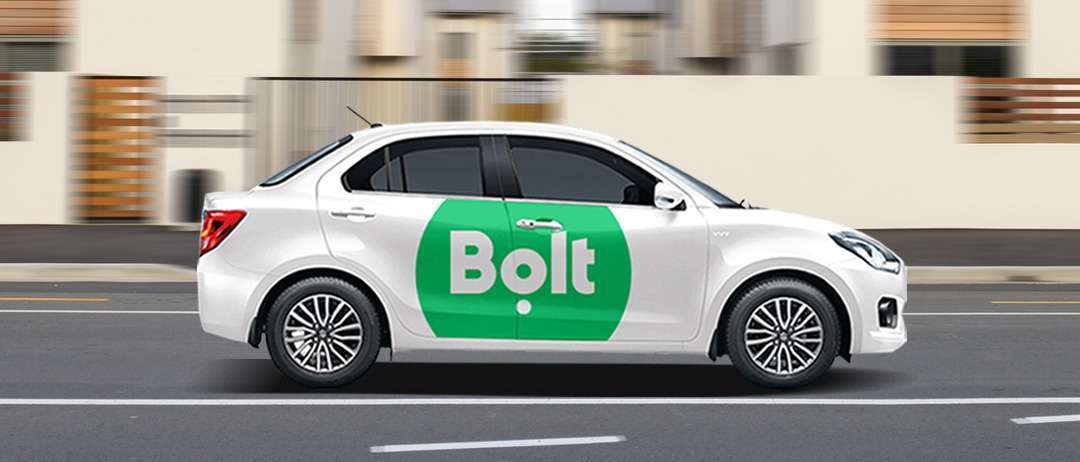
Bolt

Bolt

Share on FacebookShare on TwitterShare on WhatsApp

The gig economy has reshaped how individuals work, offering flexibility but also posing challenges, especially evident among Uber, Bolt and Lyft drivers in recent years.

Amid declining pay, some drivers remain committed to ride-hailing despite exploring other gigs. Kenyan taxi drivers can consider diversifying their work portfolio.

Also Read

Bolt

Bolt Kenya Is Not Leaving: What the Fake Exit Notice Reveals About Driver Frustrations

2 June 2026
Bolt

Bolt adjusts fares by 6% to support driver earnings amid rising fuel costs

13 May 2026
Load More

The challenge of declining fortunes for taxi drivers is not isolated to Kenya. Uber and Lyft drivers in the US are facing financial hurdles due to algorithm changes, reduced customer tips, heightened competition, and soaring vehicle expenses. This situation reflects the evolving landscape of the gig economy, where earnings might fluctuate based on market dynamics and platform policies.

While ride-hailing remains popular, other gig options present themselves. Insights from US drivers’ experiences shed light on crucial considerations:

  • Prioritizing Profitability: Despite challenges, some drivers believe ride-hailing remains the most profitable among available options.
  • Concerns about Other Gigs: Drivers highlighted issues such as low tips in food delivery, and reduced profitability in delivery services post-pandemic.
  • Local Context Matters: Factors like market demand, customer behavior, and living expenses play a significant role in determining gig profitability.

For Kenyan taxi drivers, diversifying gig options could provide stability amidst changing circumstances:

  • Explore Local Platforms: Investigate local alternatives like ride-hailing apps tailored to the Kenyan market such as LittleCab and Yego, food delivery services, or freelance opportunities.
  • Adaptability is Key: Embrace versatility by considering multiple gig options, leveraging existing skills, and adapting to market demands.
  • Financial Planning: Develop strategies to manage expenses and optimize earnings across different gigs.

In essence, while ride-hailing has its merits, the evolving gig economy offers various opportunities. Kenyan taxi drivers can strategically explore alternate gigs to enhance financial stability and career flexibility.


Tags: BoltBolt FoodLittleCabTaxiUber
Previous Post

Harnessing Insurance as a Climate Resilience Tool

Next Post

More Pain for Kenyans as New Taxes Take Effect 1st January 2024 under the Finance Act

Related Posts

Bolt
National

Bolt Kenya Is Not Leaving: What the Fake Exit Notice Reveals About Driver Frustrations

2 June 2026
Bolt
Deal

Bolt adjusts fares by 6% to support driver earnings amid rising fuel costs

13 May 2026
Business

Bolt Ride-Hailing in Kenya Boosts Driver Incomes and Livelihoods, Report Shows

19 March 2026
Bolt
Sustainability

Bolt says one in four EVs in Kenya now operate on its platform

9 February 2026
Naivas

Naivas Launches ‘Ni Kwetu’ Campaign Celebrating Kenyan Communities and Partnerships

26 July 2026
Matatu Owners Association President Albert Karagacha, KCB Unit Head, Asset Finance and Insurance, Juliana Kinyua, and ePureMotion CEO Gilbert Saggia demonstrate the EV charging system during the official launch of an EV charging site for Matatu Owners Association vehicles in Buruburu, Nairobi, on July 14, 2026.

Buruburu PSV EV Charging Station Site Marks Major Milestone in Kenya’s Electric Matatu Journey

17 July 2026
Esther Waititu Safaricom Chief Financial Services Officer

Esther Waititu Leaves Safaricom: The Big M-PESA Wins She’ll Be Remembered For

27 July 2026
Nairobi Securities Exchange

Nairobi Securities Exchange: Kenya’s Stock Market Value Crosses KES 3 Trillion for the First Time

27 July 2026
AMECEA 2026

AMECEA 2026: Why the Catholic Church’s Nairobi Gathering Matters for Eastern Africa’s Youth

22 July 2026
The Sacco Societies Amendment Bill, 2025

New Bill Seeks to Change How Saccos Handle Members’ Money in Kenya

6 July 2026
NewsTrendsKE

NewsTrendsKE

A News Blog For Readers Who Want More

Follow us on social media:

  • About
  • Advertise
  • Careers
  • Contact

©2026 NewsTrendsKE.

No Result
View All Result
  • Business
    • Deals
  • OpEds
  • Sustainability
  • Women in Business
  • Lifestyle
  • Featured
  • Technology
    • Phones
  • Sports
  • World
  • Contact Us

©2026 NewsTrendsKE.

Go to mobile version