Kenya’s banking sector has posted mixed results for the first quarter of 2025, with tier-one lenders largely recording marginal shifts, while smaller institutions led the pack in profit growth.
Equity Group, KCB Group, and Co-operative Bank remained the most profitable lenders, although their performance highlighted the subdued economic environment facing the industry.


Top Performers
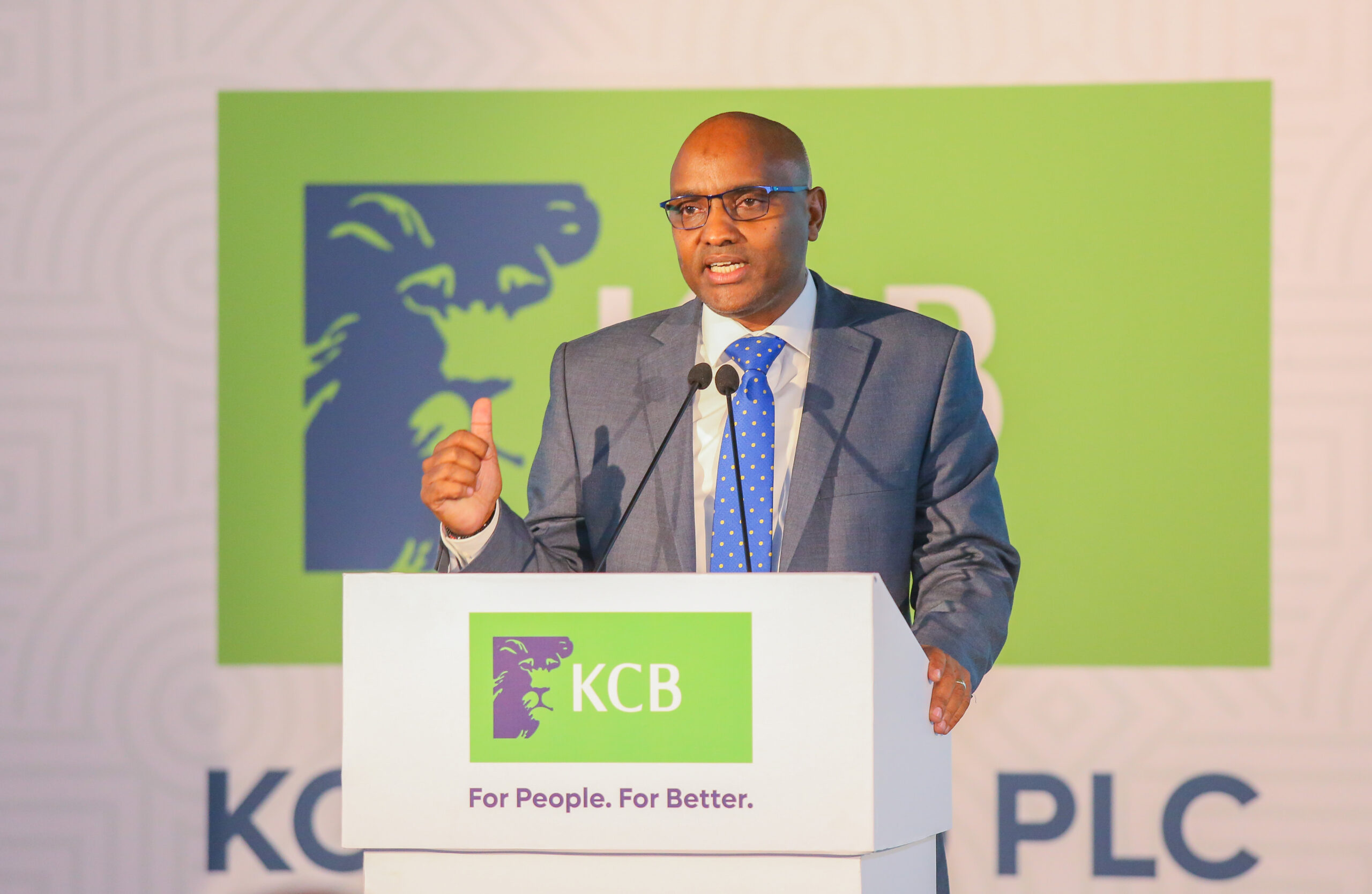
KCB Group retained its position as the most profitable bank, posting a marginal 0.03 percent rise in net earnings to Sh16 billion. Equity Group followed with Sh15.4 billion in profit, marking a 4 percent decline from the same period in 2024.
Co-operative Bank recorded a 5.3 percent growth in profit to Sh6.9 billion, while Absa Bank Kenya posted a 3.7 percent increase to Sh6.2 billion. NCBA Group also edged upwards with a 3.4 percent gain to Sh5.5 billion.
I&M Bank led the mid-tier banks with a 17 percent jump in profit to Sh4.2 billion, followed by Family Bank, which saw its net earnings rise 15 percent to Sh1 billion. Diamond Trust Bank (DTB) posted a 10 percent increase to Sh3.2 billion.
Surging Smaller Lenders
HF Group and Sidian Bank registered the most significant growth rates in the sector. HF Group reported a 118 percent surge in profit to Sh327 million, while Sidian Bank saw a 250 percent jump to Sh557 million. These sharp rises reflect a strong rebound from a lower earnings base and possibly more aggressive lending and cost management strategies.
Declining Profits Among Some Tier-One Banks
Notably, some leading banks experienced double-digit drops in profitability. Standard Chartered Bank Kenya reported a 13.5 percent decline in net profit to Sh4.8 billion, while Stanbic Bank’s earnings fell by 16.6 percent to Sh3.3 billion. These declines may be attributed to higher provisioning for bad loans and lower non-interest income.
Outlook
The first-quarter results indicate a cautious but resilient banking sector, with larger institutions showing stability amid tight margins, while smaller lenders have seized opportunities for rapid growth. Analysts suggest that rising operating costs, sluggish private sector credit growth, and elevated non-performing loans will continue to shape the banking landscape through 2025.
As the year progresses, attention will turn to the banks’ half-year results for a clearer picture of how macroeconomic factors and policy changes are influencing profitability and sector competitiveness.