Glovo is banking on artificial intelligence, growing demand for convenience and partnerships with local businesses to drive the next phase of digital commerce in Kenya.
Glovo is looking to expand its operations into more towns and cities across Kenya as part of a planned KSh 10 billion investment by 2030, following a 40 per cent increase in orders on its platform in 2025.


The company says the growing demand for faster deliveries, convenience and access to a wider range of products is creating new opportunities for businesses to reach customers beyond traditional physical stores.
Speaking during Glovo’s inaugural Future of Commerce Summit held at the Radisson Blu Hotel in Nairobi on Friday, October 23, 2026, the company’s Kenya Managing Director, Caroline Mutuku, said changing consumer expectations are pushing businesses to rethink how they sell and deliver products.
“The way Kenyans shop is changing, and businesses must adapt to these new consumer expectations,” said Mutuku.
“Today, a customer wants convenience, choice, and the ability to access everyday products seamlessly without necessarily visiting a physical store. The future of commerce relies on unlocking these new opportunities and reshaping how we connect customers with our retail partners.”
The summit brought together business leaders, retailers, brands and industry stakeholders to discuss emerging trends in digital commerce, the growing popularity of on-demand shopping and the role of technology in transforming Kenya’s retail sector.
One of the key areas of discussion was the use of artificial intelligence to make online shopping easier and more personalised.
Glovo showcased its existing in-app AI assistant, which integrates language models such as ChatGPT and Claude to allow customers to search for products using everyday language instead of scrolling through conventional menus.
The technology represents a shift towards conversational shopping, where customers can describe what they need and interact with digital platforms more naturally.
For retailers, such innovations could provide additional ways to connect with customers while reducing their dependence on physical store expansion.
The company is also expanding its offering beyond food delivery to include everyday consumer products, electronics and other retail categories.
Among the brands tapping into this opportunity is consumer electronics company oraimo, which has partnered with Glovo to make its products more accessible through the delivery platform.
“Our partnership with Glovo represents a critical shift in how consumer electronics are accessed in Kenya,” said Saixu Fan, Regional Manager at oraimo.
“As customers increasingly prioritize speed and convenience, being available on a platform that uses intuitive technology ensures our smart accessories are always within reach.”
According to Fan, the partnership reflects a broader change in retail, where businesses increasingly need to meet consumers through digital channels rather than relying exclusively on traditional outlets.
Glovo’s expansion plans come as the company seeks to strengthen its position in Kenya’s growing digital economy.
Earlier this year, the company announced plans to invest an additional KSh 10 billion in the Kenyan market by 2030, with part of the investment expected to support expansion beyond Nairobi.
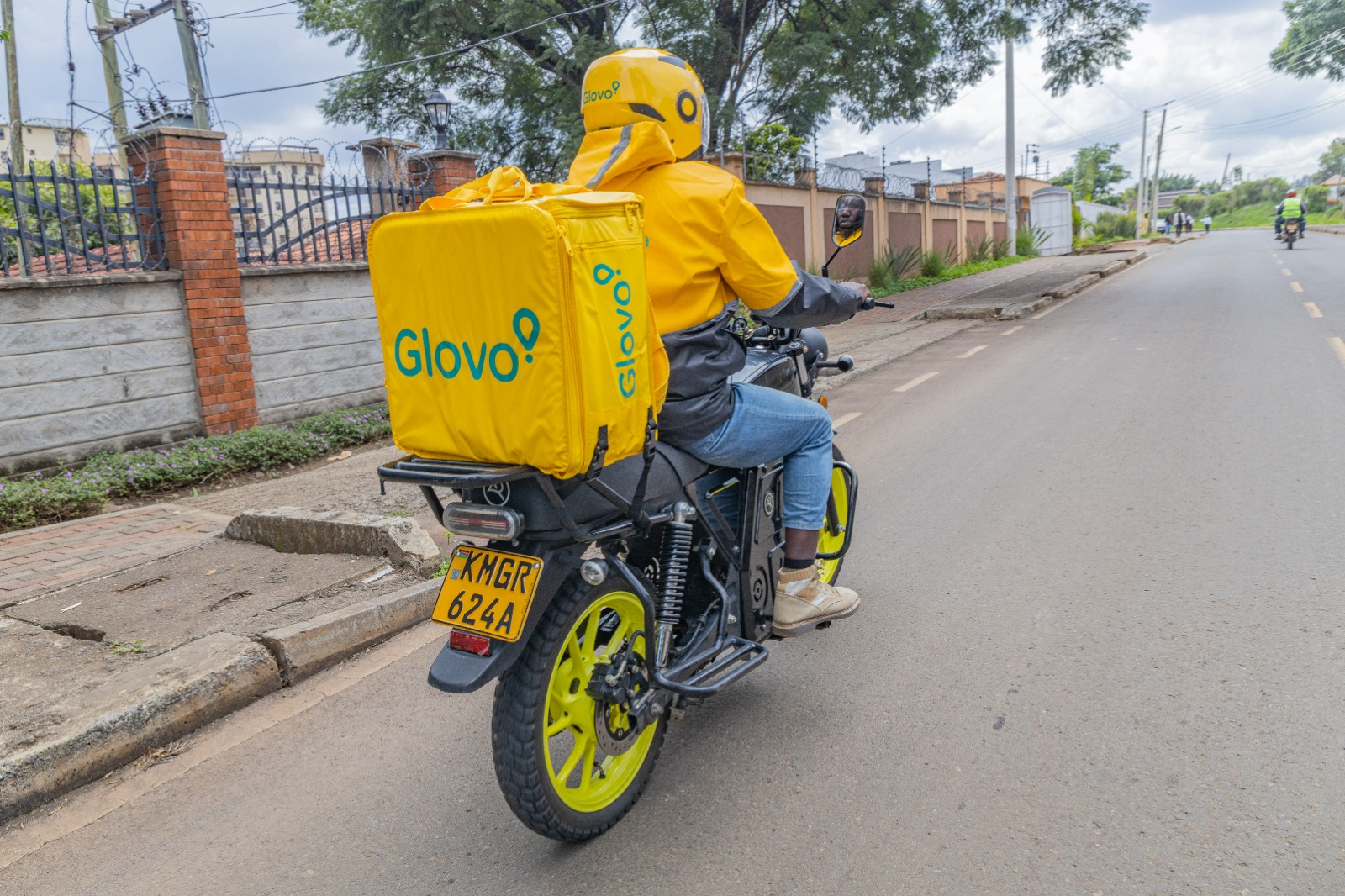
Glovo currently operates in 12 towns and cities across Kenya, connecting customers with more than 6,000 merchants and supporting over 2,200 active riders daily.
Since entering the Kenyan market in 2019, businesses operating through the platform have generated more than KSh 20 billion in sales, according to the company.
Approximately 80 per cent of that value has gone to small and medium-sized businesses, highlighting the role digital marketplaces can play in connecting smaller enterprises with customers.
The Nairobi summit follows the second edition of Glovo’s Future of Commerce Summit held in Lagos, Nigeria, in April 2026, as the company continues to engage businesses across Africa on the changing retail landscape.
Discussions at the Kenya event also focused on how businesses can adopt emerging technologies, respond to changing consumer habits and take advantage of opportunities in an increasingly digital marketplace.