Kenya’s private sector showed signs of recovery in June after three months of contraction, even as businesses raised selling prices at the fastest pace ever recorded in the Stanbic Bank Kenya PMI survey.
According to the latest Stanbic Bank Kenya Purchasing Managers’ Index, the headline PMI rose from 46.6 in May to 50.0 in June, signalling a stabilisation of operating conditions after three consecutive months of decline. A reading above 50 shows improvement, while a reading below 50 indicates deterioration.


The report, released on Thursday, July 3, showed that the improvement was supported by a recovery in new orders, stronger business confidence, job creation and restocking by firms.
However, the gains were partly offset by rising fuel costs, higher input prices and weak output levels across the private sector.
Stanbic Bank noted that Kenyan firms increased their selling prices at the quickest rate since the survey began in January 2014. The increase was largely linked to rising fuel levies, which pushed up transport and production costs for businesses.
Around 41 per cent of companies surveyed reported an increase in total input costs in June, with firms citing higher prices for fuel, foodstuff, paper, IT equipment and construction materials. The report further showed that about 25 per cent of firms raised their charges, compared to only 2 per cent that reduced prices.
Despite the cost pressures, new orders grew for the first time since February. Businesses attributed the rise to customer referrals, marketing campaigns and business expansion efforts.
The report, however, indicated that output remained under pressure for the fourth month in a row, with several firms citing weak customer numbers, limited cash flow and reluctance to purchase inputs due to high costs.
Supplier delays also worsened during the month, with June recording the longest delivery delays since April 2020. Some firms said product shortages and high fuel costs had forced vendors to delay deliveries until transport capacity was full.
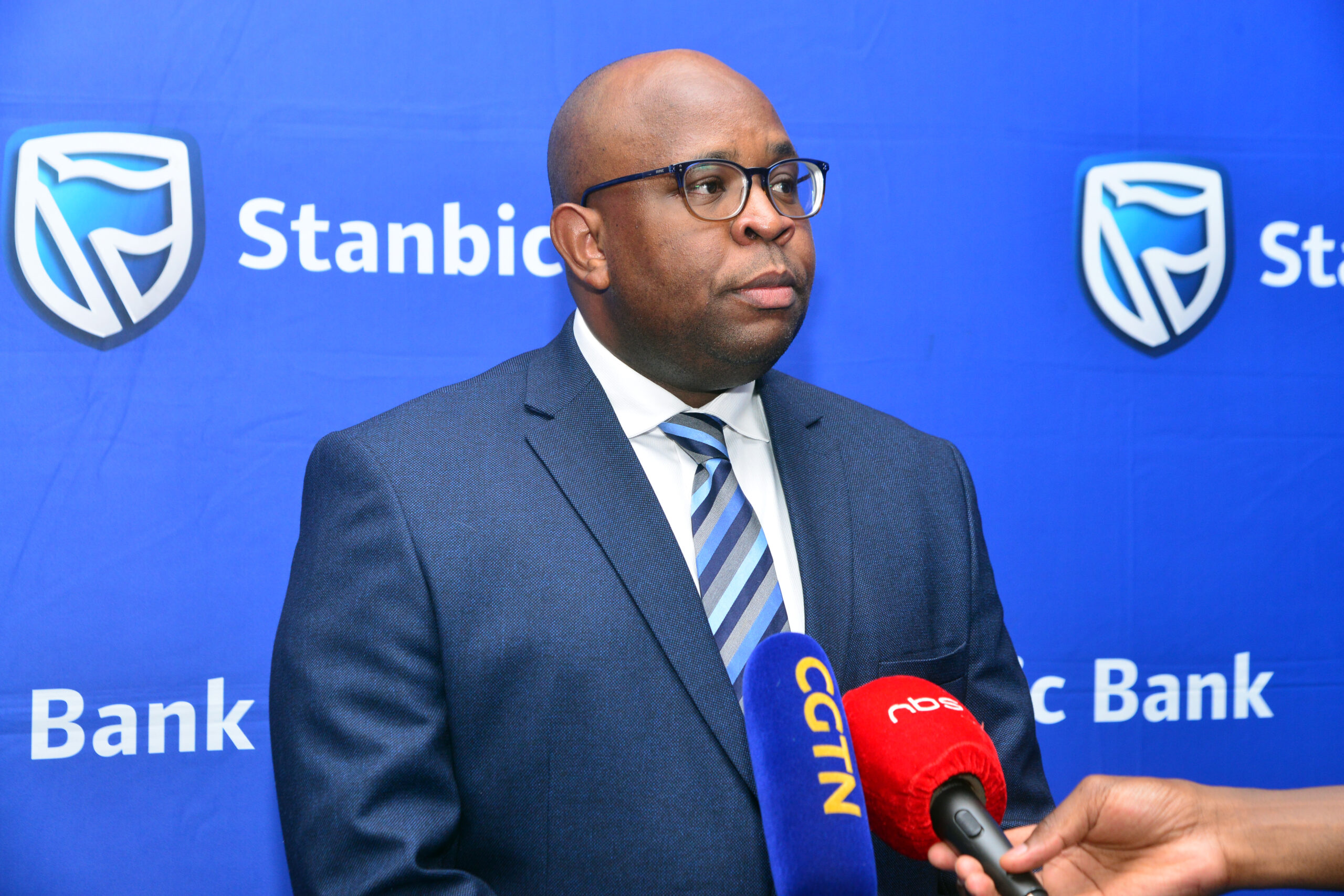
Commenting on the findings, Standard Bank Economist Christopher Legilisho said the June PMI pointed to signs of recovery after months of weakness, although firms were still facing pressure from subdued output and rising costs.
“Firms’ new orders grew due to robust sales volumes. However, output conditions remained subdued on concerns of soft client demand and rising price pressures,” Legilisho said.
He added that supply-side constraints were limiting firms’ ability to convert stronger orders into actual output.
“Most concerningly, input and output prices accelerated sharply, reflecting higher fuel and raw material costs and a stronger pass-through to consumers,” he stated.
The survey also showed that business confidence improved for the second consecutive month, reaching its highest level since February 2023. About 33 per cent of firms expected output to increase over the next 12 months, compared to just 1 per cent that expected a decline.
Companies cited planned business expansion, entry into new markets, investment in advertising, technology adoption and hopes of lower fuel prices as reasons for the improved outlook.
Employment also increased in June after a slight fall in May, with companies hiring more staff to handle new work and rising capacity pressures.
The Stanbic Bank Kenya PMI is compiled by S&P Global from responses sent to purchasing managers in around 400 private sector companies across sectors including agriculture, mining, manufacturing, construction, wholesale, retail and services. The June data was collected between June 11 and June 26, 2026.