As Uganda faces an ongoing mpox outbreak, the response is prioritizing innovation and inclusivity, particularly given the disease’s disproportionate impact on Key Populations (KPs) such as sex workers and their networks. These marginalized groups, often subjected to stigma, discrimination, and limited access to healthcare, are at greater risk during public health emergencies.
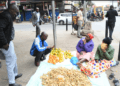
To address this, the World Health Organization (WHO) has partnered with Most At Risk Populations Initiative (MARPI) Clinic Mulago, a healthcare facility with a long-standing relationship with KPs, to develop a comprehensive surveillance and response strategy.
Mpox cases began emerging in Uganda’s key hotspots, underscoring the need for a targeted approach to reach KPs. For individuals like Tracy, a sex worker in Kawempe, the appearance of unusual lesions caused immediate fear and confusion. “I was scared,” she recalls. “I didn’t know if it was something serious, and I was afraid of being stigmatized. But I trusted the MARPI team. They examined me with care and acted quickly. The support I received made me feel safe and cared for, like I wasn’t alone.”
Stigma and a deep-seated distrust of healthcare systems often prevent KPs from seeking timely medical care. The fear of judgment or rejection, compounded by the mobility of these populations and societal discrimination, further complicates access to life-saving support. “Reaching these populations is difficult,” says Dr Jerome Ntege, a WHO anthropologist involved in the response. “Without collaboration, many cases would go undetected.”
WHO’s partnership with MARPI Clinic aimed to empower communities through education and engagement. With MARPI’s established trust among KPs, WHO implemented a strategic initiative to enhance mpox surveillance and response. Key aspects included training 40 MARPI staff members in mpox surveillance, diagnosis, and patient care; equipping 40 civil society organizations managers to mobilize resources and engage their networks; and educating 150 community peers – sex workers and other KP representatives – on how to recognize symptoms, report cases, and provide support within their communities.
The impact was swift. Community peers like Kyomugisha Ruth became trusted sources of information. “During the training, we learned how to spot symptoms early and respond immediately. This knowledge has saved lives,” she says. Ruth’s outreach through tools like WhatsApp posters led to the identification of suspected cases and connection to timely care.
Other testimonies reflect the success of the initiative. Ruth shares, “I shared a poster about mpox symptoms on my WhatsApp, and someone in my community reached out to me. I connected them with MARPI, and they got help. It feels amazing to know I played a part in saving someone’s life.” A bar attendant from Rubaga adds, “I thought I was alone in this, but MARPI found me, took care of me, and ensured I got treatment. The doctors and peers treated me like a person, not just a case. That made all the difference.”
MARPI’s proactive engagement remains key in identifying mpox cases among KPs, including individuals with HIV and those in informal sectors like bars. By leveraging peer networks and fostering trust, MARPI Clinic and WHO bridged the gap between these vulnerable groups and critical healthcare services. This peer-based approach created a sense of security for KPs who had previously avoided healthcare due to fear and distrust.
The collaboration, which will continue for several months, serves as a model for sustainable public health responses. “This collaboration has shown that by working together, we can reach even the most marginalized groups and make a real impact,” says Dr Joseph Wamala, WHO Incident Manager for the mpox response.
Distributed by APO Group on behalf of World Health Organization – Uganda.