

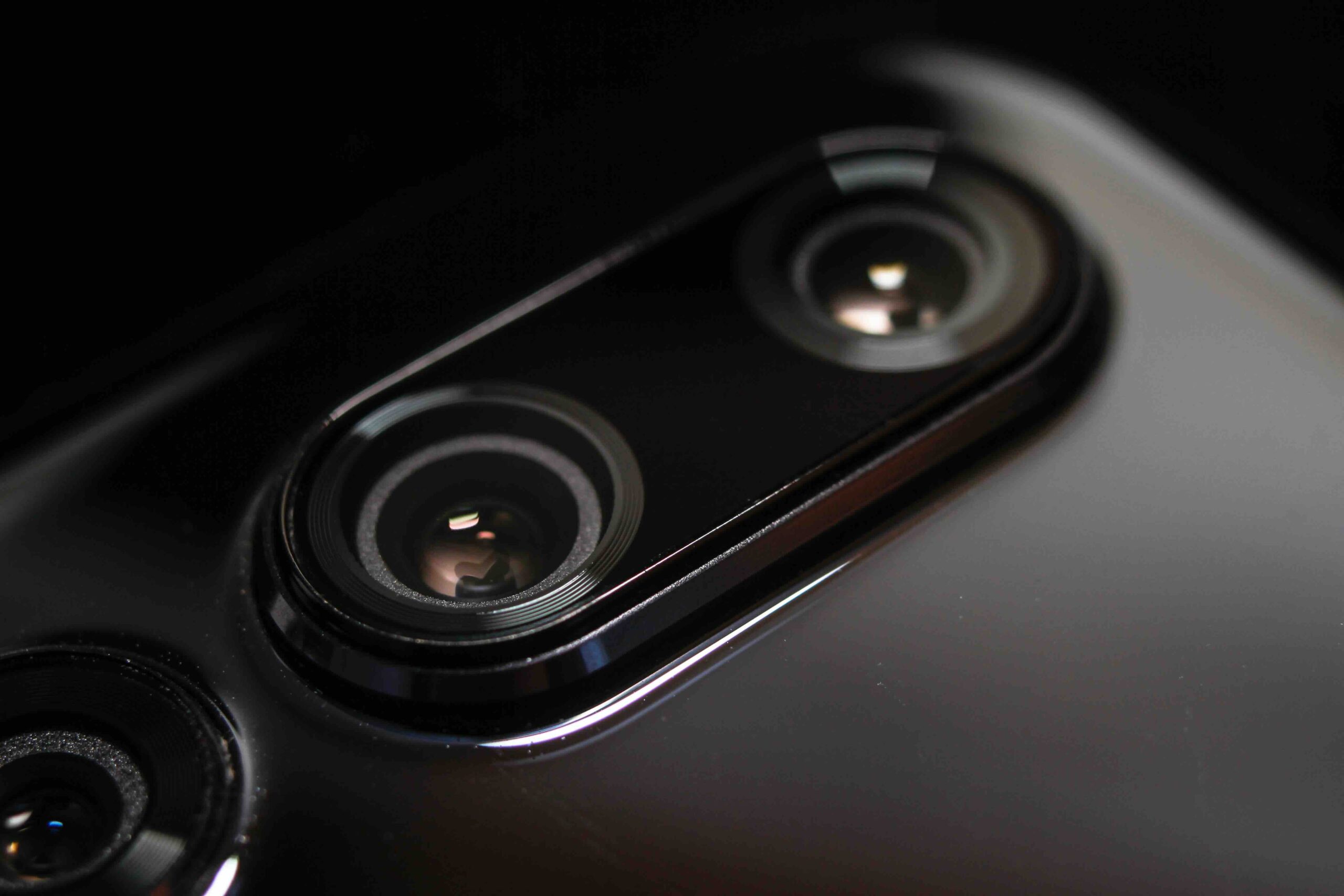
Africa’s smartphone market is slipping back into a familiar trap: the “Megapixel Myth.” With devices like the Redmi Note 15 pushing massive 200MP cameras, the big number certainly sounds impressive on a billboard. But in reality, it often delivers slower performance, inconsistent image quality, and unnecessary strain on storage for the everyday user.
“We have seen consumers are being sold a spec, for instance, a 200-megapixel camera, and not an experience. They end up with phones that look powerful on paper and in numbers, but underperform in real life. This increases hidden costs like data, storage, and battery drain, while exposing users to overprocessed, poorly optimised imaging.” Moran, a top tech reviewer based in Nairobi, sums up the current landscape perfectly.


So, what does this “megapixel myth” actually look like in day-to-day use?
At its core, the 200MP sensor on the Redmi Note 15 is a classic case of high specs masking low performance. While the number is staggering, the mid-range processor driving the phone often lacks the raw computational power to handle such massive data loads. In real-world use, this bottleneck shows up as shutter lag, delayed capture times, and “muddy” textures caused by aggressive software over-sharpening. This performance gap is particularly noticeable when it comes to capturing authentic skin tones. Local brands like itel prioritise algorithmic sensor optimisation over headline numbers, consistently delivering more natural and accurate African complexions. In contrast, Redmi’s generic global imaging algorithms often miss the mark, leaving skin looking grey, washed out, or unnaturally processed.
This conversation isn’t entirely new to the industry. Earlier models, such as the Redmi A5, were heavily marketed around a 32MP camera, yet in everyday use, they were often matched, or even outperformed, by competitors with lower megapixel counts. What this highlights is a crucial industry-wide lesson: camera quality is shaped by the full system working in harmony, the sensor, the lens, and the software, not just the headline number printed on the box.
Beyond image processing, high-resolution photography comes with very real, hidden costs that rarely make it into promotional materials. A single true 200MP image can easily exceed 50MB. For a heavy shooter, this will rapidly devour the storage on a standard 256GB device. Furthermore, forcing the processor to crunch such massive files puts immediate, heavy pressure on the battery. In markets where day-to-day battery reliability and efficient storage are paramount, these trade-offs severely impact the overall user experience.
Additionally, pushing hardware to handle extremely large image data generates excess heat, especially during extended camera use or video recording. Like many smartphone brands operating at a massive scale, Redmi has faced scrutiny in the past regarding device thermals. While thermal management improves across the industry every year, it serves as a reminder that sustained performance, especially in warmer African climates, is just as important as peak theoretical specs.
These massive sensors also bring physical compromises. Large camera modules have become a bold visual statement in modern smartphone design, but accommodating a 200MP sensor requires bigger lenses and prominent camera bumps. This leaves the glass highly susceptible to everyday wear and tear and accidental drops. When repairs are costly, balancing sleek design, physical durability, and real-world usability remains a critical factor for consumers choosing a device meant to survive their daily lifestyle.
Ultimately, the Redmi Note 15 reflects a broader, somewhat frustrating industry trend where bigger numbers take centre stage to drive sales. But for everyday users, especially across Africa, the real value of a smartphone lies in consistency, reliability, and optimisation for real-life conditions. In the end, the best smartphone isn’t defined by megapixels alone; it’s the one that delivers a dependable, balanced, and friction-free experience every single day.









![President William Ruto flanked by Environment CS Aden Duale. [PCS]](https://newstrends.co.ke/wp-content/uploads/2025/02/President-William-Ruto-flanked-by-Environment-CS-Aden-Duale-PCS-768x480.jpg)
